Welcome to our web site which is dedicated to dependency treatments, research and education. On this site you will find summaries of research articles, lectures and conferences from Dr Andrew Byrne and his colleagues as well as links to other related information.

The surgery is a medical practice which is committed to improving the outlook for drug / alcohol users and their families by using a variety of treatments including prescribed and other approaches. Our medical practice delivers opioid maintenance treatments including methadone and buprenorphine. Treatment is also provided for associated medical disorders in conjunction with referring general practitioners.
The Byrne Surgery cares for up to 180 patients with the aid of dedicated nursing staff headed by Anne Love RN. Dr Richard Hallinan specialises in research within the practice as well as working part-time doing clinical work.
Harm reduction with quality medical care
Dr Byrne and his associates also advocate for better policies which are proven to reduce risks for drug users and the general community under a framework in parallel with Australiaâ??s official policy of harm minimization. The findings of the New South Wales Drug Summit recommend better access to methadone, detoxification and other dependency treatments. It also advised investigating alternative services such as supervised injecting centres, leading to the opening of the Sydney Medically Supervised Injecting Centre in 2001.
Dr Andrew Byrne has been involved in opioid treatments from a primary care background for 20 years at the same site in Redfern, an inner suburb of Sydney. He is recognised worldwide as a specialist in the addiction field and was involved in the seminal stages of the Chapter of Addiction Medicine, Royal Australasian College of Physicians. He received the Dole-Nyswander award from the American Association for the Treatment of Opioid Dependence in April 2006.
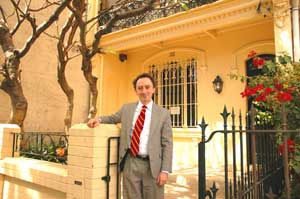
Dr Richard Hallinan has also had an interest in addiction medicine for about 20 years. Since joining the practice in 2000 he has published several key papers on subjects including hepatitis C and optimising methadone dose levels. He also has performed studies on hormones, mood disorders and related matters in dependency patients. Dr Hallinan also worked for years as a professional violinist in both Australia and in Austria.
About Redfern
Redfern is an inner city suburb of Sydney close to Central Terminal Railway Station and about half way between Sydney Airport and the Circular Quay. Redfern is a socially disadvantaged area with a significant proportion of Aboriginal and Lebanese residents. Like many similar inner city precincts elsewhere, there has been a move to recent gentrification in some areas. Thus is it a colourful, if sometimes volatile population.
Please feel free to explore our site. We would value any feedback to andrew.byrne@redfernclinic.com.
Latest News
Does QT tachycardia occur in methadone maintenance patients?
Dear Colleagues,
In my view this study draws a long pseudo-scientific bow, implicating methadone treatment in cardiac effects without as much as one confirmed case description of an arrhythmia in a methadone maintenance subject in the catchment area.
The study selected all 183 subjects who died of sudden death in Portland, Oregon over a 4 year period, grouping them according to whether they had ‘therapeutic’ levels of methadone (up to 1.0mg/L) or not. They excluded cases of proven poisoning from methadone (11 cases) or other recreational drugs (32 cases - all apparently in the methadone group). They also excluded those who did not have a full autopsy 7/29 in study group and 5/111 in the ‘control’ group (a rather large difference). The authors found that there was identifiable structural heart disease in 23% of the methadone group and 60% of the ‘control’ group. This was mostly coronary artery disease and/or ventricular hypertrophy.
Of the 22 cases with therapeutic levels of methadone, 55% were prescribed the drug for pain, 14% took it ‘recreationally’, 18% unknown and 14% for ‘opioid withdrawal’ - note that none were reported to be on methadone maintenance treatment (although 3 patients, 14%, were apparently prescribed the drug for addiction purposes). We are not informed of the quality and availability of addiction services in the area but I understand there are a number of large licensed methadone clinics in Portland. We are not told the details of the 3 addiction cases who died.
The authors claim their data show an association between methadone at ‘therapeutic’ levels and sudden death. They speculate about cardiac conduction, prolonged QT interval and ventricular tachycardia despite no reported cardiographic evidence pre-mortem. The world literature they cite only appears to contain 28 cases of methadone related tachycardia, mostly non-fatal (see below). A more likely cause of death from methadone than arrhythmia is respiratory depression, even at ‘normal’ blood levels. The authors note this in their discussion but still maintain that their study provides evidence, albeit indirect, for arrhythmias.
I find the methodology of this paper bewildering. If this study were duplicated for any other drug, eg. insulin, thiazides, aspirin, fluoxetine or lipid lowering drugs, such conclusions on the cause of death would be considered laughable in my view.
The main weakness of the study is the attempt to link cases in whom no cause of death could be found with a very rare side effect of methadone, in the face of other possible causes of death. This is especially hard to understand in the majority of cases prescribed the drug for pain relief (55%) as opposed to methadone maintenance patients treated for addiction (~14%). The second weakness of the study related to the 'therapeutic' levels of methadone. They seem to believe (1) that therapeutic levels imply therapeutic doses and (2) that these do not cause respiratory depression and death. Neither of these assumptions is correct and no reference is given to support them, making the paper faulty and its conclusions even more questionable.
Two cited series of prolonged QT interval and/or torsades tachycardia cases (Krantz and Pearson) show a minority of patients treated under addiction program protocols (and in whom there was only one single death). Krantz’s series had an average dose of about four times the usual mean dose in dependency treatment (397mg daily – and none died). Ellen Pearson’s series of 59 FDA reports nationally included only 14 likely dependency patients of whom only one died (a patient on a sub-therapeutic dose of 29mg daily). Ehret’s series was a retrospective study and patients took an average of 4 additional drugs (range 0-14).
Other citations given are single case reports and/or do not involve methadone maintenance patients but are patients with a variety of serious medical conditions for which methadone was used for pain management or else were overdose cases. There are only a few isolated torsades reports in dependency cases over the last 40 years and unexplained sudden death is either unreported or else exceedingly rare. It is certainly not a major public health issue as claimed by Krantz.
In order to be quite certain about all this, having been in New York for several weeks recently I met up with numerous doctors involved in methadone treatment of tens of thousands of patients over a long period. Not one of these could cite a single case of an addiction patient developing torsades in their experience. This is indirect proof to my mind that an easily diagnosed condition (torsades tachycardia) with a mortality of about 15% is no public health problem but a clinical rarity.
Colorado cardiologist Dr Mori Krantz wrote the seminal paper of this subject and while he writes candidly of the various proven benefits of traditional methadone treatment, his clear implication is to avoid methadone treatment if possible and beware of high doses when it is the chosen treatment. Yet most addiction guidelines advise higher dose methadone for better outcomes, with the usual safeguards. Also, most authorities recommend methadone in pregnancy and in those with the most severe dependency and/or co-existing mental illness. Yet Krantz has still not provided a series of detailed individual case studies of this syndrome occurring in regular addiction treatment subjects. And this is despite giving advice about how we should treat such cases.
It is intriguing that Krantz took funding for a large survey of methadone clinic staff awareness, despite the lack of evidence (including his own) of it being a significant problem in such patients when compared to pain management cases. If torsades tachycardia is indeed associated with methadone, it does not appear to occur to any measurable extent in methadone maintenance patients. Most cases have been taking high doses (>300mg daily) and/or were taking multiple drugs with serious medical or metabolic problems. Recent alarming upsurges of methadone-related deaths in America do not involve clinic populations but seem to be associated with the increased popularity of the drug as an analgesic used by doctors and patients who may be unfamiliar with its very long half-life and consequent overdose potential.
Comments by Andrew Byrne ..
Lancet letters: http://www.redfernclinic.com/c/2007/02/methadone-and-qtc-prolongation-letter.php4
References:
Krantz MJ, Lewkowiez L, Hays H, Woodroffe MA, D. Robertson AD, Mehler PS. Torsade de Pointes Associated with Very-High-Dose Methadone. Ann Intern Med. (2002) 137:501-504
Pearson EC, Woosley RL. QT prolongation and torsades de pointes among methadone users: reports to the FDA spontaneous reporting system. Pharmcoepidemiol Drug Saf. 2005 14;11:747-753
Grönbladh L, Öhlund LS, Gunne LM. Mortality in heroin addiction: impact of methadone treatment. Acta Psychiatr Scand (1990) 82:223-227
Manhattan in April - drug matters - cherry blossoms a bonus!
Like the Pope I found myself in Manhattan in April. Because of the prevailing official attitude of government, funding agencies and health authorities generally, medical matters are rarely predictable in America. Yet it is always instructive to compare and contrast matters from an Australian perspective.
My first day 'on the hustings' found me at a drug policy institution learning serendipitously about 'snus', so-called Swedish 'chewing' tobacco. In fact it is not 'chewed' at all but placed in the gums as a miniature, stringless 'tea-bag' which delivers substantial amounts of nicotine without polluting the lungs with soot, carbon monoxide, tar and other pollutants. In America there appears to be no licensing system for 'snus' but it is openly sold with attached large-letter warnings: "This product is not a safe alternative to cigarettes" (this is probably incorrect); "This product may cause gum disease and tooth loss"; "This product may cause mouth cancer" (warnings which are probably reasonable, up to a point).
I was referred to a well known city tobacconist near Grand Central Station where I purchased 4 packs of different brands and flavours for about $20 total. I was told that they send mail-orders around the world, including Australia, and as long as it is for personal use this was considered 'legal'. When I asked if they also sold nicotine patches I was told: "Sir! Nicotine patches go against everything we stand for!" [web site on request] My interview with a single snus user was glowingly positive.
It is my belief that this 'snus' product should be studied urgently to see if it is a viable intervention in stemming the huge toll from tobacco. The evidence from Sweden, where about half the tobacco is consumed in this way, is apparently mostly good with far less lung cancer. However, there is a down-side which needs elucidating (an increased rate of mouth cancers and tooth decay).
Other matters dealt with on my American visit included Hep A, B and C in injectors (up to 85%), buprenorphine treatment with and without supervision, transfers between methadone and buprenorphine, cocaine trials using disulfiram (Antabuse), the elusive but much publicised cardiac complications of methadone, addictions in patients with disabilities, publishing in the internet age, amongst other things.
Comments by Andrew Byrne .. http://www.redfernclinic.com/
Margaret Cluff RIP - a pioneer in Australian dependency treatment.
Margaret CLUFF (Nee WATT)
15 November 1942 – 21 December 2007
Margaret Cluff, Registered Psychiatric Nurse, suddenly passed away in December, after a highly successful nursing career that spanned more than 40 years.
Born on the NSW North Coast and raised at Tubulgum, Margaret was the eldest of six children. It was thought that Margaret entered into nursing after seeing her father suffering from a chronic illness and requiring long periods of hospitalisation.
Margaret commenced her psychiatric training at Macquarie Hospital at North Ryde in 1965 and then went on to work at Parramatta Psychiatric Hospital in 1968 and Wisteria House.
Working under the medical directorship of Dr Stella Dalton at Wisteria in 1971, whilst Drug and Alcohol was in its initial stages became the starting point of Margaret’s career. The development of this partnership continued over many years and Margaret enjoyed the challenges set by this innovative field. Of particular interest to Margaret were the younger people who were experimenting with opiates and then becoming addicted. She was concerned at the number of people admitted numerous times for detoxification of drugs particularly opiates and recognised due to relapse their long term prospects were limited.
Margaret at the same time was involved in the beginnings of the Wayback Committee. An organisation particularly concerned with the welfare of clients after discharge from hospital. Margaret’s belief in the methadone program and experience had shown her how dramatic an improvement could be made in people’s lives through this intervention. She continued to maintain her membership of the Wayback Committee.
As Nursing Unit Manager of the original Wisteria Community Health, then Parramatta Drug and Alcohol Service, Fleet Street and eventually Blacktown Methadone Clinic, Margaret provided a service which was non-judgemental and client focused. The ability to reach and have an understanding of the most chaotic clients and continue to advocate for them is what Margaret was all about.
Margaret treated each person she came across with respect and dignity. Her lateral thinking enabled decisions to be made after consideration of the impact for both the individual and the organisation. She supported the service throughout numerous changes and was an excellent source of information in relation to service provision. Margaret had acquired expert knowledge in relation to her role and the concept of Opioid Substitution Therapy service delivery. She was highly regarded and respected by anyone who had the opportunity to meet or work with her.
Margaret’s slight stature was no indication of the determination and strong-will she possessed. Margaret had her own unique way of approaching things; even in death Margaret seemed to do it her way. Retirement was never an option.
Margaret dedicated her career to advocating the effectiveness of the methadone program and improving client outcomes within the field of Drug and Alcohol. Margaret through her leadership skills and collaborative management style developed a team of staff at Blacktown that provide a service that is highly regarded throughout the area health service.
Margaret was an excellent communicator, always concise and precise. Her willingness and ability to share knowledge will be sadly missed. During her career, Margaret was a mentor and instrumental to the continuing education of professionals.
Through her ‘vision’ for the need to change, Margaret challenged mainstream views. She played an integral part in facilitating a change in treatment to meet the needs of opioid dependent people which provided them the opportunity to change their lives.
The SWAHS Drug and Alcohol network has lost a valuable resource with Margaret’s passing, her wealth of experience and knowledge is irreplaceable.
With Respect
Written by Karen Scrivener R/N CNS
Blacktown Methadone Unit, Sydney, NSW, Australia.
SWAHS Drug and Alcohol Network
21st March 2008
Comparison of maintenance treatments in UK, Victoria and NSW. Drug dilution, crushing, take-aways: the practice versus the evidence
5 Feb 2008
Presenter: Dr Nicholas Lintzeris.
Dear Colleagues,
Dr Lintzeris began by describing his shock at the state of skin and veins in a large proportion of drug users in England when he started a sabbatical session at the National Addiction Centre and Maudsley Hospital in 2003. He showed some unflattering photographs of lower limb ‘war-wounds’ inflicted by hypodermic needles, infections, impure brown heroin and neglect. Most of these people had ‘worked through’ their upper limb then moving to the legs so that 20 to 50% of patients in maintenance treatments were using their groin veins for access.
The street heroin used was of the Afghan or ‘brown‘ variety, needing lemon juice or acetic acid to make it soluble. Even then it was still caustic to the veins. Dr Lintzeris noted that there were very high rates of crack cocaine use in English patients, up to 40% smoking it regularly whilst in treatment. He quoted the mental and physical toll this took on the lives of addicts and their families. Alcohol and sedative use was also common. Notably, one common drug of abuse was amitriptyline (‘Tryptanol’, ‘Endep’), an antidepressant not known for recreational use in Australia.
Balancing the intravenous damage to some extent (and perhaps because of it) there was a high proportion of drug users who did not inject at all. Up to 40% were smoking, snorting or swallowing their drug of choice at the time of entering treatment. In Australia about 90% of addicts entering treatment are injectors.
Dr Linzeris noted two main differences in maintenance therapies. Dose levels were generally in the low range (30-50mg daily) and the medication was usually given as “take away” bottles of weak solution rather than being taken under supervision. The use of 1mg per 1ml solution had parallels with the common practice in Victoria of ‘topping up’ take-away bottles with up to 100ml of water or cordial to discourage injecting.
Some graphs were shown of methadone treatment in Victoria from 1985 when there were only about 100 patients in treatment. By 1996 there were nearly 4000, and by 2003 about 8000 patients on maintenance treatments. An early experience of 10 deaths in patients starting methadone has shaped the Victorian approach to treatment ever since (see Drummer 1990). Mean dose levels in Victoria have always been in the low range, around 40mg, and only reaching 50mg daily in recent years (NSW is around 70mg). We were told that there were essentially no public clinics in Melbourne and nearly all patients were treated in pharmacies from GP prescribers. This means no capacity for subsidised methadone treatment since all patients must pay for pharmacy dispensing which is normally from 3-5 dollars daily. Very few take-away doses were permitted (originally 3 single doses per month) although this is changing now under more flexible health department rules.
Next we were informed that 33% of 193 authorised prescribers had no active patients. Another 33% had from 1 to 10 patients only while just 15% of the busier prescribers were treating 69% of Victoria’s patients. Thus most of the dependency treatment service in Victoria relies on just 27 individual doctors! By contrast in 2005 NSW had over 500 prescribers and 16,000 patients with no one doctor prescribing for more than 150 patients. In England all doctors can prescribe methadone if they wish to.
Buprenorphine has had significantly greater uptake in Victoria than in the other states. After the first year of use (Jan 2002) there was just 10% of the total on buprenorphine according to some bar charts we were shown. By 2004 it rose to over 50% briefly and then dropped back slightly to 40:60 bup:meth since that time. One may speculate on the reasons, but they probably include the rigidity of the original methadone regulations in Victoria. There was widespread use of second daily buprenorphine even though this is not shown to be as effective as daily use.
In Victoria even the more complex patients with extensive needs and poor resources were still mostly managed by GPs and pharmacists as there are no comprehensive clinics with access to counsellors, psychology, vocational support, social work, etc. Dr Lintzeris called this the ‘minimalist’ model. On the other hand, he told us that considering the state of play in Great Britain, there was simply no model or ‘system’ at all! This was not quite fair since he then showed a pie chart demonstrating that one quarter of patients in GP prescribing (nearly all ‘NHS’), another quarter in ‘shared care’ between formal clinics and GPs with fully 50% of all patients now in formal ‘specialist programs’ (Community Drug Teams). While some of these latter can formally supervise doses, few pharmacies give witnessed doses.
Treatment access across the UK was highly variable and depended on GP willingness to prescribe. Waiting times for GPs is usually about 2 weeks but up to 3 months for Community Drug Team assessments. Proper, evidence based maintenance treatment (as per UK treatment guidelines) is the exception with most patients on low and reducing doses with sadly predictable results. A common practice is for 40mg daily to start with and reductions from there.
GPs in the UK also commonly prescribe codeine, dihydrocodeine and buprenorphine but more due to personal preference rather than patient need. This applies equally to injectable methadone which comprised 10% of all opioid treatment prescriptions 10 years ago but is less than that now, partly due to the 1999 “Orange” guidelines which were sent to every practising GP in the UK. Methadone tablets are also less used now with about 95% of maintenance medication being methadone in liquid form, mostly the watery and bulky 1mg/1ml solution. Injecting of methadone is rare, as in Victoria, presumably due to dilution of doses which is almost universal. Whether such measures have more benefits than drawbacks on balance has never been tested scientifically. Thus it would seem prudent to consider diluting (‘expanding’) doses in special cases but not ‘across the board’ until such evidence is presented.
Another disadvantage of non-supervised consumption in the UK is that the ‘black-market is flooded’. There is now a scheme whereby pharmacists are paid 1 to 2 pounds daily to administer doses of methadone; patients usually pay nothing. Over a third of patients attend once weekly (6 or 7 bottles dispensed) with a third attending daily (except Sunday) often taking a bottle home. Most of the reminder attend 2, 3 or 4 times weekly. There are no hard and fast rules to addiction treatment in the UK allowing much more professional freedom. Whether that is a good thing overall is a moot point considering the poor adherence to good prescribing practice over many years.
The scientific evidence shows that if take-away doses and less supervision were linked to demonstrated progress, such as urine test results, this was the most effective intervention as ‘contingency management’ by another name.
Dr Lintzeris mentioned the various risks of injecting methadone, overdoses, child deaths and the public perception of the drug treatment system generally. We were told that people could successfully inject the buprenorphine combination drug with naloxone, Suboxone (unpublished comparative study by Leslie Amass, CPDD 2000). Also Dr Lintzeris quoted reductions in the injecting of methadone in NSW and said that the reason behind this was not clear.
Crushing of buprenorphine tablets has been advised by some parties yet evidence is limited on the practice. It would seem logical in some patients who had been caught diverting tablets, yet it clearly will not solve all the problems of buprenorphine administration.
This returned us to some questions posed by Dr Hallinan before the seminar: Why do we have public clinics, private clinics and pharmacy dosing for supervised treatment in NSW? Along with prison programs, is this serendipitously world's best practice, or a ‘clumsy and vestigial hybrid’? Are we using a number of flexible treatment models for people in various circumstances, or limiting access to opioid maintenance treatments which could be given more effectively in another way? Later discussion and case studies dealt with issues surrounding "access block" in NSW.
Summary by Andrew Byrne based on Dr Lintzeris’ power point presentation, questions on the night and some comments from Dr Richard Hallinan.
Withdrawal management and detoxification.
Concord Seminar 25 September 2007
Presenter: Dr Joanne Ferguson, FRANZCP, FAChAM, staff specialist psychiatrist, Rozelle Hospital. Medical Director, McKinnon Unit.
Topic: Withdrawal management and detoxification-with a focus on complicated patients. [Although this was based on a talk given by Dr Ferguson, the summary also includes audience discussion and input from the three authors.]
Dr Ferguson stressed that the McKinnon Unit is not a “detoxification” ward but a medical unit which manages drug and alcohol withdrawals. The term detoxification is commonly used to refer to "chemicals, drugs, and food additives in the processed foods that we eat....", so that the general public, as well as our patients, may conceptualise drug withdrawal as a removal of such toxins: bringing to mind colonic irrigation, detox diets like Lemon Detox, herbal laxatives and high-fibre diets eliminating caffeine, meat and processed food, and associated treatments such as lymphatic drainage and massage.
Dr Ferguson used clinical cases to illustrate principles and pitfalls of withdrawal management. Since this is often undertaken in private with minimal problems and no interventions at all, she chose to deal with the more complicated cases such as those with dual diagnosis, dual or triple dependency and/or chronic illnesses.
The first case was a 47 year old labourer who had relapsed after 3 years opioid abstinence. On presentation he was using MS Contin (slow-release morphine) 100mg to 500mg injected each day, to a maximum of up to 800mg in the 16 hrs before admission, with no withdrawal symptoms. He was also taking 10-15 x 5mg diazepam tabs daily (50-75mg daily). He was agitated and tremulous on arrival at the detox unit.
The early signs of irritability, anxiety and enlarged pupils (possibly due to general sympathomimetic arousal) were attributed to benzodiazepine withdrawal, where onset of symptoms is typically after 16 hours or so. Tremor is unusual as a symptom of opioid withdrawal, and might help point to benzodiazepine withdrawal.
The benzodiazepine withdrawal regime at McKinnon Unit is to give 20mg diazepam 2nd hourly, to a maximum of 80mg in 24 hours, reducing to 60mg daily, then 35mg daily, 20mg daily then nil. Dr Ferguson told us that formal scoring of benzodiazepine withdrawal has not been shown to have any predictive value.
Regarding opiate withdrawal there are usually early signs such as enlarged pupils, sweating, pallor, agitation, goose flesh, lacrimation and runny nose. After that, nausea, melancholia and hyperalgesia can occur. At 36-48 hours, abdominal cramps, nausea, diarrhoea, mild leg aches are seen. By this stage, the enlarged pupils usually settle. Beyond this time, at 48-72 hours, there is more prominent aching of the leg and back muscles, abdominal pain and diarrhoea.
For opiate withdrawals at McKinnon Unit the regimen is to give buprenorphine sub-lingual tablets 4mg +4mg+4mg in the first 24 hours. However, with a poor response to this drug initially, this patient needed a further 4mg making 16mg in the first day off heroin. (four-times daily buprenorphine dosing has more to do with service related issues than evidence base).
In this case the patient suffered a protracted withdrawal syndrome, with the need to reintroduce buprenorphine on day 11. This was probably due to the mixed withdrawal syndrome, and possibly inadequately treatment of the opioid withdrawals early on. It may be that buprenorphine doesn't quite have the "grunt" to provide adequate symptom control in some patients.
The second case was a 24 year old methamphetamine-dependent man with schizophrenia, who lived with his family and was on disability support pension. He was taking quetiapine (Seroquel) 600mg bd, amisolpride (Solian) 800mg daily, citalopram (Cipramil) 40 mg daily, and had also been smoking a gram of “ice” daily for 8 months and taking alprazolam (Xanax) 2mg bd – prescribed by a GP.
Withdrawal symptoms of agitation, hallucinations and religious preoccupation settled with diazepam 60mg in 24 hours. He then slept, was quiet and left against medical advice after 4 days, clearly unhappy with continuing treatment (and diazepam had been reduced significantly by then).
Dr Ferguson posed the question of whether there is a withdrawal period from amphetamine use at all, or whether it is just a ‘recovery period’. Hence symptomatic treatment for agitation and sleeplessness may be provided with medications such as chlorpromazine, olanzapine and/or diazepam: there is some evidence of amphetamine users accessing olanzapine (Zyprexa), as well as the more commonly available benzodiazepines, for self-medication of the amphetamine "come-down". The only thing known to help profound listlessness would be to extend the stimulant use, something Australian doctors are mostly not yet comfortable doing. However, the period of ‘come-down’ is always self limited if the patient can remain drug free.
The third case was a man aged 45 yrs with hep C, cirrhosis, diabetes and leg ulcers who had been drinking 90 to 120g alcohol daily with up to 15 x 5mg tabs diazepam daily. Single and on a pension, he was still looking after his 13 year old daughter. He was a heavy tobacco smoker as well as using injected heroin every 2 weeks on ‘pay day’.
The case illustrated how comorbid medical problems can have similar signs to alcohol withdrawal, including elevation of body temperature, and how to discriminate with a proper medical evaluation including blood counts and biochemical measures. Other issues were the need for nicotine replacement for tobacco withdrawal; whether agitation might be due to nicotine replacement or nicotine withdrawal; possible advantages of oxazepam over diazepam for severe liver failure with impaired hepatic drug metabolism (risk of over-sedation from accumulation of diazepam); a lower need for diazepam when unwell or drowsy.
A mild Alcohol Withdrawal Syndrome may not need any medication within the first 24 hours, after 2-3 days symptoms of anxiety, sweaty, headaches, insomnia, tremor, mild hypertension and tachycardia may be present. “Generally symptoms are mild and require little in way of medication” however medication eases withdrawal and improves outcomes - diazepam and thiamine are the mainstay. There is no evidence of benefit from more than 100mg thiamine daily, however at least the first dose should be given intramuscularly, as after heavy alcohol use there may be chronic or acute diarrhoea, and oral absorption is often poor. For severe intoxication / withdrawal, for example for drinkers of methylated spirits, 100mg thiamine should be given intramuscularly for at least 3 days.
More severe symptoms are dehydration, diarrhoea, anorexia, nausea, vomiting and weakness and very severe cases may have hypertension (diastolic of 120mmHg or greater can require antihypertensives) panic attacks, marked tremors, fever (however true fever is rare unless with an infectious cause). Seizures and delirium are a sign of treatment failure and should not occur when proper medical treatment available.
Alcohol withdrawals can occur with relatively high blood alcohol levels in heavy drinkers, including those who have reduced their use, so one needs to assess baseline use and more recent use.
Alcohol Withdrawal Scales (AWS) are subjective, with infection/fever and other illnesses as potential confounders, and need to be used thoughtfully and in context. Further, AWS has poor correlation with BP/pulse. Providing diazepam only when AWS >5 means people can be significantly uncomfortable before can get treatment. A kinder alternative may be to treat as soon as the BP is elevated or at the first sign of tremor.
The issue of using vigabantrin (Sabril) for alcohol withdrawal was raised as it may have fewer side effects but is currently only approved for resistant epilepsy.
A fourth case was then described of recurrent withdrawal episodes in a 47 year old alcohol and opiate dependent man on pension living alone in a rental flat, a history of depression and hypothyroidism, and more than 10 admissions to hospitals in 12 months, usually through casualty distressed and unable to cope, out of medication in withdrawal, anxious, but also with several falls and injuries, complicated by MRSA infection, and recently shortness of breath with a possible myocardial infarction.
After prolonged withdrawals (80mgs diazepam for 3 days then reducing over 10 days) he was unable to go to rehabilitation as he was overwhelmed and unable to organise himself.
Issues raise by this case were: therapeutic nihilism - where feelings of despair, hopelessness in treatment providers augment the client's feelings of guilt, shame and hopelessness; and the ‘GOMER’ (get out of my emergency room) syndrome. The patient had some cognitive impairment but not so much to need involvement of the Guardianship Board to manage his affairs. Under the NSW Inebriates Act there has been a trial at Nepean Hospital of compulsory treatment for 2 weeks, with another 2 weeks following where necessary. Patients can also be sent to gazetted Psychiatric Hospital beds. This is not feasible for the great majority.
In general the patient needs to initiate treatment, and we need to recognise and accept the limits of what we can do, focus on symptom management not demand management and have a clear consensus of treatment aims, an agreed plan of treatment and a opt out phase.
Dr Ferguson described protocols for withdrawal management at Rozelle Hospital.
Opiate dependency: - buprenorphine 8-12 mg sublingual per day for 3-5 days, depending on opiate type and quantity. Reduce to 8/6/4/2/2 for last 2days. Symptomatic relief with metoclopramide (Maxalon), hyosine (Buscopan), diazepam (Valium).
Alcohol: - diazepam (Valium), dose not set, related to dispensing and review issues, maybe 40mg/day and metoclopramide (Maxolon) and antihypertensive.
Cannabis/THC: Symptoms of insomnia, agitation, irritable, appetite change, lasting 1-5 days, for which benzodiazepines - at lower doses than for alcohol withdrawal - , olanzapine (Zyprexa), mirtazapine (Avanza) may be used. There seems to be a consensus not to do inpatient withdrawal for THC, but McKinnon will do it for failed (and well documented) outpatient withdrawal.
In order to access their services, there needs to be a phone assessment of demographics (do they live in the right area?); drug use and co-morbidities; negotiation of a treatment plan (which MAY include withdrawal medication options) and then articulation of the plan: for admission (the person must phone daily at 7am until they can secure a place for admission); and/or outpatient appointments; documentation for MMT/BMT; mental health assessment; and/or other requirements eg plans for subsequent rehabilitation programs.
Some predictors of failure ambulatory treatment (as an outpatient) are (1) poor support of abstinence; (2) poor housing (or no housing); (3) multiple drug use, including withdrawal from one substance and use of others (except nicotine); (4) or severe symptoms of withdrawal.
The question was raised why drug and alcohol practitioners in the community may have difficulty "referring" their patients to "detox" units, and do not receive discharge summaries as from most other hospital services. One answer may lie in the historical development of hospital drug and alcohol services using a psychiatric care model, with a primary client orientation and team based case, as well as possibly some resistance among nursing staff to perceived medical paternalism. Another may be that referring doctors have not acquainted themselves with the protocols of the "detox" unit.
In the second half there were a few case vignettes and selected scenarios:
"I went into hospital to come off alcohol and benzos, and they just gave me Normison and sent me home on the 3rd day ...". This was a 41yo woman with history of alcohol withdrawal fits, alcoholic hepatitis. Some questions raised were:
1. If someone has a history of having fits while taking benzodiazepines, do they need admission for withdrawal management? A. not necessarily
2. Why does anyone need to go into a detox unit to come off benzodiazepines? Surely you can just change them over to diazepam and reduce the dose, in the community. A: supervision issues.
Evidently this patient’s symptoms were assessed as mild in the first 48 hours, predicting little risk of complicated benzodiazepine withdrawal. However it appears to be an early discharge for alcohol withdrawal, depending on the alcohol use history given.
"I get fits when I stop alcohol, but I'm not going back to that detox place - can't you just give me some Valium, Doc?" This was a 54 yo man on methadone, with hepatitis C, cirrhosis and ascites, presenting to a doctor in the community, with blood alcohol 0.06 and withdrawal symptoms of agitation and marked tremor. As alcohol withdrawal is dangerous, Dr Ferguson considered it medically strongly indicated to give some diazepam. However, some doctors may feels apprehensive about medico-legal consequences of giving diazepam to an intoxicated patient outside a supervised setting. It may be safest in small quantities, especially if supervised at the surgery, clinic or pharmacy.
"I need to go somewhere to come off cannabis, but the rehab won't take me because I'm on methadone, and the detox unit say they don't do cannabis withdrawal...." - it was agreed that some people may need to remove themselves from a high exposure environment to stop cannabis use, and this may be difficult when the person in on MMT. Some "detox" units offer this service, while for others it is considered low priority.
Andrew Byrne posed the question of when and why detoxification units started giving opiates to opiate addicts. Previously it was rather unusual, if not unheard of, rather like giving hospital brandy to alcoholics who were drying out. This changed the nature of the treatment from detoxification to ‘re-toxification’ in many or even most opiate admissions. This can even be the case in those intent on short-term abstinence. Especially with a very long acting drug such as buprenorphine, it ensures that detoxification does not even start until a few days after leaving the ward, quite the opposite of the traditional position. The practice does offer patients a ‘taste’ of one maintenance treatment yet this they could just as easily obtain as out-patients, and most opiate addicts have tried such approaches already. This change in treatment policy seems to have happened without any discussion or most importantly, input from drug users themselves. Dr Ferguson explained that compliance and retention are now better after the introduction of buprenorphine. Yet it is hard to understand how this brings patients closer to the goal of opiate abstinence.
Summary of the evening written by Richard Hallinan, Andrew Byrne, Judith Meldrum with help from Dr Joanne Ferguson’s power point presentation.
Advances in assessment and treatments for infection with hepatitis C virus (HCV)
Concord Seminar 20th November 2007
Presenter: Professor Greg Dore, Viral Hepatitis Clinical Research Program, National Centre in HIV Epidemiology and Clinical Research.
Topics: HCV epidemiology; treatment assessment; HCV treatment among methadone patients and current injecting drug users (IDU); strategies to improve HCV treatment outcomes; advances in HCV treatment and new research.
Although there has been a drop in annual HCV notifications in Australia from 15,000 in the mid 1990s to 13,000 recently, it is unsure how much of this reflects a fall in incidence (new infections) and thus a success for existing harm reduction policies. As most HCV infections in injecting drug users (IDU) occur within the first few years of injecting, some more significant indicators may be reductions in new HCV notifications in the 15-19 year age group, and in HCV prevalence in young male IDUs attending needle syringe programs (NSPs) from 2001-2006. Such figures do indeed show a marked reduction, which is reassuring that overall notifications should decline further.
It is possible that the lack of a fall in HCV prevalence in young female IDUs may reflect their "going second" in shared injecting situations, and/or sometimes having older male partners already at higher risk of having HCV.
IDUs still constituted the majority (62%) of all acute or newly acquired infections in Australia (n = 474 in 2006), however this may be an underestimate as the source of infection is reported as unknown in 15%, and sexual in 5% (sexual transmission may occur where sexual practices involve blood but is unlikely in most "vanilla" sexual encounters / relationships). Tattoos account for about 8% and occupational exposure 2.5% of new cases.
Overall HCV seroprevalence in people attending NSP remains high at 65%, and is somewhat higher again (75%) in MMT/BMT populations: ie about 30,000 of the circa 40,000 people in opioid replacement treatment in Australia. Of these, probably about 20,000 (50%) have chronic HCV (RNA-positive), about 10% of the total in Australia, making this an important point of access for HCV treatment.
Mortality among people with HCV in Australia has a bimodal distribution, in the 5th and 8th decades of life, the former largely related to drug-related deaths among IDUs and the latter liver disease-related deaths in people born overseas, in HCV endemic areas. Liver disease-related deaths have risen since 1999, a trend perhaps "unmasked" by a fall of direct drug-related deaths as a result of the "heroin shortage".
With cases of HCV cirrhosis in Australia predicted to rise to 12,000 by 2010, and twice that number by 2020, an aim is to be treating 6,000 people/year for HCV. Since April 2006, when the liver biopsy requirement for interferon-based treatment was dropped, treatment figures have risen from about 2,000 to 3,000/year. Liver biopsy was a major disincentive for many people.
Sustained viral response SVR (persisting absence of viral RNA 6 months after treatment) is usually considered a cure of the viral infection, although not necessarily of the underlying liver damage. Occasional later relapses of HCV may represent reinfection with HCV in IDU. Over the last decade response rates to interferon-based treatment have improved, from about 10% SVR for interferon monotherapy to overall to over 60% SVR for combined pegylated interferon/ribavirin (PEG-IFN/RBV), ranging from 50 – 80% depending on genotype.
Early studies of PEG-IFN·2a/RBV showed benefit of longer treatment (48 versus 24 weeks) and bodyweight-adjusted ribavirin dosing (up to 1200mg/day) for genotype 1, but not for genotypes 2 and 3. While early viral response (EVR) - defined as RNA undetectable or >99% decline in viral load at 12 weeks - increases the chances of SVR for genotype 1 to 72%, failure to achieve EVR almost inevitably predicts treatment failure.
The bottom line for treatment is: 24 weeks PEG-IFN/RBV for genotypes 2 and 3; 48 weeks for genotype 1 if the person achieves EVR at 12 weeks. There is no evidence of any difference in efficacy between PEG-IFN·2a (Roche) and PEG-IFN·2b (Schering-Plough).
Recent analysis suggests that people with genotype 1 who have a Rapid Viral Response (RVR) - HCV RNA undetectable at 4 weeks - may do just as well with 24 weeks as 48 weeks of PEG-IFN·2a/RBV, achieving SVR rates above 80%.
At St Vincent’s Hospital in Darlinghurst, treatment completion rates rose from 55% 2000-02 to 74% in 2003-04, with drops in treatment discontinuations due to both non-response and to toxicity. This appears a trend to improvements in delivery of treatment.
Results of treatment in current injectors are comparable to results among non injectors, and abstinence from IDU is not a pre-condition for subsidised treatment in Australia: nor are stage of fibrosis (was pre-2006); elevated ALT (was pre-2006); the presence of symptoms; low alcohol intake.
There is some evidence of poorer treatment outcomes in people who continue to drink alcohol, but whether this is related to worsened treatment adherence or effects on viral replication is unclear.
The current conditions for subsidised treatment eligibility in Australia (S100 Criteria) are:
· 18 years or older
· No evidence of de-compensated cirrhosis
· Must have chronic HCV infection (>6 months)
· Use double contraception where the patient is either a woman of child-bearing years or their male partner.
· No prior IFN-based HCV treatment
Subsidised treatment costs the patient about A$30/month, (A$5/month for concession card holders) and this is probably as cheap as anywhere in the world.
To be balanced against the curative potential of PEG-IFN/RBV are its toxicity (flu-like symptoms, depression, anaemia, lethargy) and the requirement for contraception during and 6 months following treatment. Apart from treatment eligibility, the stage of liver disease and prognosis the genotype and viral load, presence of co-morbidities, and work and family obligations have to be considered in treatment decision-making. There needs to be at least some treatment willingness and relative socio-behavioural stability, however with persistence and good support people with relative treatment contraindications can often be successfully brought through treatment.
Greg Dore advocates some targeting of individuals with higher risk of progressive disease:
Higher likelihood of cirrhosis is predicted by:
· older age (> 40 years)
· duration of infection > 20 years
· heavy alcohol intake
· HIV or chronic HBV coinfection
· peripheral stigmata of CLD (spider naevi, palmar erythema)
· impaired hepatic synthetic function (low albumin, prolonged PT)
· AST / ALT ratio > 1.0
· AST / platelet ratio > 1.0 (<0.5 very unlikely to have cirrhosis)
At the Byrne Surgery, about 50% of people with chronic HCV met similar criteria for higher risk of HCV progression, and have been specifically targeted for treatment, with 27 people having been treated since 2003. Of 20 liver biopsies among these higher risk people, 18 had at least moderate liver fibrosis.
Although HIV and HBV co-infection are relatively uncommon in people with HCV infection, they are definite indicators of higher risk, and in many cases HCV treatment should be undertaken before HIV or HBV treatment.
Phase II trials suggest benefit from triple therapies of IFN/RBV with protease inhibitors for chronic HCV and Phase II trials are due to start soon.
Acute HCV can be treated with interferon monotherapy, with SVR rates of 80-90% in 3 months treatment, unless there is HIV co-infection or HCV genotype 1 with a high viral load. However, as about 25% of people spontaneously clear the virus (generally in the first 3 months after infection but up to 6 months and even later in a few cases) treatment of acute infection is usually deferred at least 3 months.
Although sustained viral response rates at the Byrne surgery are high (71% overall, 81% for genotype 2/3) a case was presented to show that things are not always easy. This long-term MMT patient received HCV antiviral treatment in the setting of micronodular cirrhosis, Genotype 1a/1b, viral load 360,000 and pre-treatment alcohol use of 30-60g/day. This patient was overweight 105kg, a smoker (10 cigs/day) with shortness of breath on exertion, chronic airflow limitation (not taking medications), hypertension (Enalapril), probable ischaemic heart disease (chest tightness on stress test but no ECG changes; echocardiogram: LVH with moderate dilatation), osteoarthritis (diclofenac prn), a history of peptic ulcer disease (uses omeprazole prn).
Despite these relative contraindications to treatment, this patient ceased drinking alcohol, and started combination treatment with IFN.2a/RBV, achieving rapid viral response (<600 ie qualitative RNA assay) at 5 weeks. RBV dose started with 1200mg/day and reducing to 800mg/day as haemoglobin dropped under 100, and was stopped for 5 weeks when the patient suffered severe nosebleeds (with normal BP 130/80; prothrombin time 1.1 and platelets acceptable at 81). Diclofenac was ceased, and ENT review showed a large vessel on the septum which was cauterised, packed with Chloromycetin for 3 days, with ongoing Vaseline use.
After the patient had stoically endured 36 weeks of IFN.2a/RBV, and in view of the apparent rapid viral response, treatment was stopped at week 36, sadly with a rapid ALT and viral flare. The patient has since maintained alcohol abstinence and long term low dose interferon treatment is being considered.
Issues arising from this case were the feasibility of treatment of "brittle" patients; drying of the nasal mucosa with the IFN/RBV; the pros and cons of NSAIDS for osteoarthritis in this situation; the possibility of viral escape with the interruption to RBV treatment and the wisdom of the decision to stop treatment early; whether endoscopy might have been done to exclude oesophageal varices before treatment; the benefits of going on the front foot in treating HCV in substance dependent people, who may rise to the challenge by achieving abstinence (in this case alcohol abstinence).
Other questions arising in the second half:
Q. What about treating people with persistently high-normal ALT? A: there is some discussion about whether ALT reference ranges should be lowered, especially for women. A single normal ALT measurement is not helpful, as ALT typically waxes and wanes in chronic HCV, so ongoing monitoring at least is required. Although one would rather have a persistently lowish than a persistently very high ALT, ALT correlates poorly with disease activity, and the duration of HCV is an important consideration in assessing risk of disease progression.
Q. What is the role of abdominal ultrasound in assessing chronic HCV? A: mainly to exclude portal hypertension. Greg Dore often does not order this test. Newer methods for assessing fibrosis/cirrhosis by measuring the stiffness of the liver may make ultrasound more useful.
Summary by Richard Hallinan, Greg Dore and Andrew Byrne.
Editorial questions the ethics of naltrexone imlants until they are proven and registered
Degenhardt L, Gibson A, Mattick RP, Hall W. Drug and Alcohol Review 2008 27;1:1-3
Depot naltrexone use for opioid dependence in Australia: large-scale use of an unregistered medication in the absence of data on safety and efficacy.
Dear Colleagues,
On page one of Drug and Alcohol Review for January 2008 there is an editorial which condemns the current practice of using customized naltrexone implants before safety and effectiveness data have been obtained. Degenhardt and co-authors reflect the sentiments of many in the field questioning the premature use of various doses of non-standardised pellets of naltrexone sub-cutaneously. After quoting the limited research and normal therapeutic safeguards, they write: “Practitioners who do so run the risk of bringing into disrepute a treatment that we think may well prove to play a useful niche role in the treatment of a small group of highly selected opioid-dependent patients.”
In my view it is time to call a moratorium on this treatment. The attractive side of the interest in developing naltrexone implants is that this demonstrates the relentless efforts of researchers to develop more effective, safer and more cost effective treatments for heroin dependence. However, it is important that such a quest follow the basic rules of all medical research, always protecting those taking part in the research.
Standard doses of supervised methadone in traditional clinics have always suited a substantial proportion of those addicted to street heroin. Now that we have a second variety of methadone and two types of buprenorphine in Australia, as well as better ‘matching’ of drugs, doses, added supports, etc, these success rates have improved further. Trials utilizing both methadone and buprenorphine as appropriate have shown up to 80% retention at 6 months. About 5% will successfully detoxify each year, still leaving a proportion of drug users either unwilling or unable to cope with existing treatments. Thus these may suit other approaches such as supervised naltrexone tablets, depot injections or implants (or even heroin trials). There are still waiting lists for tradition detoxification services, both medicated and otherwise.
Now that John Howard is leaving office Australia may yet get its latter-day drug trial. Even beyond a simple ‘heroin trial’, we may need some new bold new approaches for alcohol, amphetamine use, depression, suicide and the stresses of modern life. Just as there is some indication that naltrexone may help a certain group of addicts, there has also been some promise in the use of tiagabine, ondansetron, modafinil, long-acting morphine and dexamphetamine. A new drug, varenicline (Champix) is to be released next month on the PBS under similar conditions as Zyban. There is some unconfirmed information that this nicotinic receptor drug may reduce alcohol cravings at the same time.
On the subject of the stresses of modern life, I learned of an inspiring talk at the APSAD conference in Auckland last month discussing the ‘search for wisdom’ exemplified by Bob Cloninger in his presentation on "Wellness". This was amplified with great clarity in a lecture on the history of theism by an 89 year old retired professor of theology, Lloyd Geering. He allowed the audience to recognise that in this secular age, we are all now ‘playing God’ ourselves and it is understandably quite stressful. My correspondent said that these ‘higher themes’ spilled out into many of the discussions and set the tone for much of the casual interaction with colleagues at the conference, many of whom were ‘new’ to APSAD being part of the large Kiwi contingent.
Comments by Andrew Byrne ..
Disclaimer
On this web site, Dr Byrne and colleagues have written summaries of many research articles, conferences and other events. These have been written largely to draw attention to peer-reviewed studies which may be relevant to clinical practice and public policy. While all care has been taken to be fair and accurate, readers are strongly advised to read the original publications before acting upon the information for clinical decisions.
Due to this brief form of communication, no responsibility can be taken for errors, mistakes or omissions.
Reputable sources of health information for the general public:
- http://www.healthinsite.gov.au/ (opens in a new window)
HealthInsite, a search site for reliable health information, Australian Department of Health. - http://www.nlm.nih.gov/medlineplus/ (opens in a new window)
MedlinePlus, a search site for reliable health information, US National Library of Medicine.


