Welcome to our web site which is dedicated to dependency treatments, research and education. On this site you will find summaries of research articles, lectures and conferences from Dr Andrew Byrne and his colleagues as well as links to other related information.

The surgery is a medical practice which is committed to improving the outlook for drug / alcohol users and their families by using a variety of treatments including prescribed and other approaches. Our medical practice delivers opioid maintenance treatments including methadone and buprenorphine. Treatment is also provided for associated medical disorders in conjunction with referring general practitioners.
The Byrne Surgery cares for up to 180 patients with the aid of dedicated nursing staff headed by Anne Love RN. Dr Richard Hallinan specialises in research within the practice as well as working part-time doing clinical work.
Harm reduction with quality medical care
Dr Byrne and his associates also advocate for better policies which are proven to reduce risks for drug users and the general community under a framework in parallel with Australia's official policy of harm minimization. The findings of the New South Wales Drug Summit recommend better access to methadone, detoxification and other dependency treatments. It also advised investigating alternative services such as supervised injecting centres, leading to the opening of the Sydney Medically Supervised Injecting Centre in 2001.
Dr Andrew Byrne has been involved in opioid treatments from a primary care background for 20 years at the same site in Redfern, an inner suburb of Sydney. He is recognised worldwide as a specialist in the addiction field and was involved in the seminal stages of the Chapter of Addiction Medicine, Royal Australasian College of Physicians. He received the Dole-Nyswander award from the American Association for the Treatment of Opioid Dependence in April 2006.
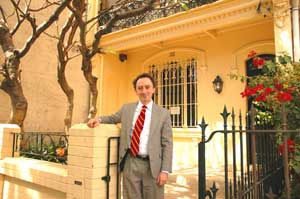
Dr Richard Hallinan has also had an interest in addiction medicine for about 20 years. Since joining the practice in 2000 he has published several key papers on subjects including hepatitis C and optimising methadone dose levels. He also has performed studies on hormones, mood disorders and related matters in dependency patients. Dr Hallinan also worked for years as a professional violinist in both Australia and in Austria.
About Redfern
Redfern is an inner city suburb of Sydney close to Central Terminal Railway Station and about half way between Sydney Airport and the Circular Quay. Redfern is a socially disadvantaged area with a significant proportion of Aboriginal and Lebanese residents. Like many similar inner city precincts elsewhere, there has been a move to recent gentrification in some areas. Thus is it a colourful, if sometimes volatile population.
Please feel free to explore our site. We would value any feedback to andrew.byrne@redfernclinic.com.
Latest News
Does methadone cause QT problems or is it often viral?
Dear Colleagues,
This may be the first article to formally describe the link between HIV and torsade de pointes tachycardia and at the same time to question the role of methadone. Their single case report has much in common with others in the literature: the 36 year old female with HIV was taking long term methadone for dependency and presented with recurrent syncope. The dose was only 70mg daily at the time of the torsade but importantly, had been 190mg daily 18 months previously – at which time ECG showed the QTc to be normal - and there were no cardiac symptoms. The authors proposed that their patient did not have methadone induced QT changes, but HIV-induced long QT (LQT) syndrome. The QTc was 540ms around the time of the torsade.
These authors go on to discuss the effects of HIV on the heart. Up to 60% apparently have positive cardiac findings at autopsy and 30% of cases may have asymptomatic prolonged QTc, largely in the absence of ‘culprit’ medications (citing Kocheril 1997). “Minor repolarisation abnormalities in HIV infecteds may therefore become clinically overt in the setting of concomitant predisposing drug therapies.”
The authors state in their introduction: “Methadone use has been associated with prolongation of the QTc and an increased risk of sudden cardiac death.” In fact after 40 years of widespread use there has been no such association with sudden cardiac deaths. Yet this statement well exemplifies the current popular mythology around the subject. Since Krantz and colleagues wrote the original case series (but not the first case) in 2002, there have been no confirmed or strongly suspected deaths due to torsade tachycardia from my reading. The only 2 or 3 deaths were either remote from the period of the torsade and/or else were due to another reported cause such as myocardial infarction. French reports from over 30 years ago quote a mortality from ‘torsade de pointes’ of around 16%. Since this was before modern mobile resuscitation and pacing technologies were widespread, the survival rate of 84% might have increased to something over 95%.
It is now clear that ‘torsade de pointes’ tachycardia rarely if ever occurs in new entrants to methadone treatment. The 103 reports in the literature and Justo’s excellent summary of the field in the Addiction journal inform us that simple clinical features can highlight risk and indicate the need for ECG monitoring where appropriate. Almost 50% of the ~100 reported cases in the literature had HIV infection. The author of the original FDA report, Ellen Pearson, has postulated that QT prolongation and torsade are ‘threshold events’ with numerous contributors based on the known risk factors.
The risk factors (not in order) are:
(1) long term methadone maintenance for addiction
(2) female sex
(3) age over 40
(4) doses over 150mg daily
(5) HIV infection
(6) concomitant use of drugs which either increase methadone levels and/or prolong QT interval
(7) metabolic disturbance
(8) structural heart disease
When used with supervision and adequate supports methadone treatment for heroin addiction reduces mortality substantially. It should be used with confidence as the benefits far outweigh even the most pessimistic views of the possible side effects.
Comments by Andrew Byrne ..
Clinic web page: http://www.redfernclinic.com/c/
Refs:
Kocheril AG, Bokhari SAJ, Batsford WP, et al. Long QTc and torsades de pointes in human immunodeficiency virus disease. Pacing Clin Electrophysiol 1997 20:2810-6
Krantz MJ, Lewkowiez L, Hays H, Woodroffe MA, D. Robertson AD, Mehler PS. Torsade de Pointes Associated with Very-High-Dose Methadone. Ann Intern Med. 2002 137:501-504
Dessertenne PF. La tachycardie ventriculaire a deux foyers opposes variables. Arch Mal Coeur 1966 59:263-72
Pearson EC, Woosley RL. QT prolongation and torsades de pointes among methadone users: reports to the FDA spontaneous reporting system. Pharmcoepidemiol Drug Safety. 2005 14;11:747-753
Methadone safe in cancer patients - minor QT problems went away after 4-8 weeks methadone!
Dear Colleagues,
These authors have done a great service by following serial ECGs prospectively on 100 patients who were being considered for methadone treatment for advanced cancer pain. ECG was ordered at baseline, 2, 4 and 8 weeks. Due to altered medication, hospice transfers, community discharges and one death (non-cardiac) in this palliative patient population the follow up results were available for 64, 41, and 27 patients at 2, 4 and 8 weeks.
Perhaps the most interesting and unexpected findings of this study were that even before starting the medication, over a quarter of patients (28%) had QT prolongation (>430 ms in males; >450 ms in females) and this dropped. The proportion of subjects was *lower* at each of the follow-up periods with only 8-11% of patients having QT prolongation.
At two weeks 11 patients (17%) had QTc>10% above baseline. However, by 4 and 8 weeks this had dropped to one single patient (3%). There was only one ECG in one single patient where QTc increased beyond 500ms (1.6%). This was asymptomatic and not associated with any tachycardia episode. Furthermore, that patient’s prolonged QT resolved spontaneously in subsequent ECG tracings. The authors express their surprise at these unexpected findings which they ascribed partly to the high baseline occurrence of QT prolongation and/or possibly a reduction in other drugs prescribed or improvements in electrolyte disturbances.
The doses of methadone were relatively low compared to the dose levels used for addiction (median at 2 weeks 23mg daily and maximum was 90mg daily).
The authors conclude: “clinically significant QTc prolongation rarely occurred … our preliminary findings are encouraging. … we believe that methadone should be prescribed without reservations … . For patients with significant risk factors … monitoring with ECGs at baseline and at subsequent intervals may be reasonable.”
This should give doctors and patients confidence that methadone is still a safe and effective analgesic and that concerns regarding cardiac side effects may have been exaggerated out of keeping with the literature. When I contacted the study’s author I was told that they had seen no cases of torsade tachycardia in relation to methadone treatment at the MD Anderson Cancer Center to date.
Comments by Andrew Byrne ..
Safe and effective opioid prescribing in addiction treatment. Article written for UK psychiatry journal.
Author Dr Andrew Byrne
Abstract:
A large body of research supports the prescribing of maintenance opioids for heroin addiction yet poor quality treatment in the UK has limited the potential benefits. This in turn has caused many to become disillusioned about addiction treatment generally. Inadequate dose levels without the necessary supervision and psychosocial supports have both contributed to this state of affairs in the UK. By failing to address this situation, the National Addiction Centre in London has actually perpetuated it. While some progress has been made in recent years, psychiatry trainees in the UK are ideally placed to help improve the quality of pharmacotherapies in line with other European countries in moving towards an evidence base.
Article:
The principles linking opioid maintenance treatment and behavioural therapies were defined in Dole and Nyswander’s classic paper which is now one of the most quoted in the medical literature [ref 1]. Psychiatrist Marie Nyswander had noted limited success treating heroin addicts in New York using psychoanalytic techniques alone. With Dr Dole, she reported a cohort of ‘hopeless’ New York street addicts responding favourably to a trial of strictly supervised, ‘high-dose’ methadone treatment (mean 100mg/d, range 15-180) with intensive psychosocial supports. They found dramatic reductions in illicit drugs use, excellent retention in treatment along with vocational, social and other demographic improvements. The trial was radical at the time as it placed social functioning as its primary goal, rather than abstinence from all opiates. Patients received daily supervised medication and their drug use was monitored by regular urine tests as part of treatment. Many rigorous studies since have further refined ‘best practice’ and also documented safety data. These were especially important in long-term patients, pregnancy and in those with coexisting mental illness.
Over four succeeding decades, methadone and other maintenance treatments have become just one component of a more complex therapeutic repertoire for addiction including the anti-craving drugs, mood altering medications, detoxification, brief interventions, CBT, formal psychotherapy and other strategies. These are all aimed primarily at reducing the harms from drug addiction while also encouraging engagement in normal social activities. Contrary to popular opinion, the natural history of opiate use, like smoking and alcoholism, in fact moves towards abstinence, with or without treatment [ref 2].
British perspective – historical background of opioid treatment in the UK.
Due to an unwillingness of the dependency establishment to accept methadone as a valid maintenance treatment, a majority of heroin users in treatment in the UK have been subjected to a ‘culture of abstinence’. This is akin to Nancy Reagan’s retort of “just say no to drugs!” Like smokers, drug addicts are generally well aware of the dangers they are taking. Even by 1989 when methadone maintenance was being introduced into many other countries, UK treatment practise was only for short term reduction prescribing. We knew then as now that this leads to relapse in over 90% of cases.
At a time when needle sharing was still common, this caused many otherwise preventable cases of HIV. To this day, many doctors in the UK will only condone short-term, low dose methadone. Others continue to implement a punitive policy of enforced dose reductions when drug use, even non-opiate drug use, is found on urine testing. Some NHS clinics refuse to readmit their own old discharged patients for arbitrary periods, raising further barriers for those most needing assistance.
In the 1980s two forward thinking doctors introduced a more evidence based type of maintenance treatment into Scotland using GP ‘shared care’. Pharmacists were instructed (and paid) to witness the administration of liquid doses and an emphasis on rehabilitation replaced a priority of dose reductions to abstinence [ref 3]. High quality, clinic-based services were also developed in some centres in England (eg. Sheffield, Portsmouth, Manchester). Nevertheless, a large proportion of methadone in the UK was still prescribed ‘on demand’ in general practice using doses which were often inadequate and ineffective, and in settings where there was no dose supervision, little urine testing and no check on compliance. The poor outcomes led predictably to a cycle of negative attitudes towards methadone treatment which persists to the present day [ref 4]. With the unrealistic goal of short term abstinence, it is not surprising that many informed citizens, parents, police and even health workers held little confidence in methadone treatment, despite its glowing record in public health circles when properly implemented.
Uniquely in the UK, methadone and other opioid prescriptions are at least theoretically available to all addicts through the NHS. This would utilise GPs and/or specialist clinics with other health workers giving counselling and psycho-social supports which are known to improve outcomes [ref 5]. Pharmacists or clinic nurses would administer (supervised doses) and dispense (give out medication for later consumption) the medication. Guidelines were finally introduced in 1999 which incorporated what Dole in New York and others around the world had been doing for decades [ref 6]. These advised maintenance treatment and also the use of supervised dosing for new and unstable patients as well as adequate dose schedules. Yet even four years later Strang et al report that most methadone is given without supervision and in doses which are still inadequate for most to curtail injecting behaviour [ref 7].
Some jurisdictions which introduced methadone maintenance propitiously have avoided the HIV epidemic almost completely in their injecting population (Hong Kong, Australia, New Zealand). Unfortunately, for reasons which are still being elucidated, this did not extend to hepatitis C which continues to spread even where new HIV cases had almost ceased.
What is opioid maintenance treatment? What can it do? What can’t it do?
Who needs treatment? When do they need it? The first dose.
Who is best placed to provide such treatments?
So what is needed for the future?
What is opioid maintenance treatment? What can it do? What can’t it do?
Opioid maintenance treatment involves the legal prescribing of a drug of dependence to an addicted patient within a defined therapeutic framework, involving goals, support, supervision and regular review. Short term opioid abstinence is usually considered secondary to other goals such as reduced risk taking behaviour, better general health, work, education and family responsibilities.
Many things change in an addict’s life when starting opioid maintenance treatment. Studies have shown mortality declines from over 2% per years to less than 0.5% [refs 8,9]. Since there is less injecting, viral disease is less likely to be passed on by those who are already infected. As well as less injecting, employment, legal and financial matters have all been shown to improve substantially for those in treatment (Ref 9b). And the longer treatment lasts, the greater these improvements. This is not to say that everyone needs treatment indefinitely and a large proportion do successfully withdraw from maintenance opioids [refs 2, 12].
Only a very small proportion of patients will successfully withdraw from the opioid treatment in the short term and still remain opiate abstinent [ref 9b]. This is probably less than 10% of the total, even though many more express a desire for such an outcome. Hence all opioid dependent patients should have access to continuing prescribed opioids and those who discontinue should be encouraged to seek supports which seem appropriate for the individual.
Who needs treatment? When do they need it? The first dose.
A careful assessment is essential in any patient presenting with drug or alcohol problems. This involves a thorough history, physical examination (pupils, mental state and injecting sites as a minimum) and usually a supervised urine test and blood tests including liver function, hepatitis B/C, HIV status, etc. As for other medical prescribing, the necessary minimum includes both a clear diagnosis and, usually, the failure of non-drug treatments. In practice, the need for opioid maintenance is relatively easy to establish, except in the very young or in those with concurrent medical or psychiatric illness. The diagnostic criteria for opiate dependence involve compulsive self administration, escalating doses, withdrawal effects and usually, documented adverse health and social consequences. It is important to document all of these clearly in the patient record before prescribing any medication. In addition, the patient’s identity and some aspects of their past treatment history needs to be confirmed.
To make our job easier, patients may have ‘self-selected’ by seeking out a doctor or clinic where dependency services are available. Some may not want methadone but seek other medications to assist with detoxification. Such patients should be informed of the benefits of maintenance therapies in case their detox episode is unsuccessful. All patients should be informed about self help groups including AA, NA and the new SMART Recovery movement [ref 10].
Most patients will have a substantial history of heroin or other opioid use, often by injection and with documented complications, end-organ damage, legal, financial and social consequences. Venous scarring is the most obvious sign of long term history. The drug use may take the form of injected heroin, black market methadone, codeine, morphine, opium or even poppy seeds in rare cases. As long as the use is consistent and compulsive with tolerance and withdrawal symptoms/signs the criteria of dependency are fulfilled. It is helpful to use the DSM-IV definition although it must be remembered that this was devised for use by private American psychiatrists and there may be occasional deviations in ‘normal’ countries.
In patients who are very young (under 18 years) or who have unstable mental illness, it is important to ascertain that opiate opioid maintenance therapy is indeed the most suitable option at the time. Some such patients may develop a mistaken notion that they need prescribed opiates opioids. They may also give a credible history of dependence. This always needs to be carefully corroborated with physical examination and urine testing. This is especially so if there are no venipunctures, no history of hepatitis C, overdose, financial, legal or other consequences of opiate dependence. In such sensitive cases it is prudent to seek a written opinion from a colleague to ensure that other forms of treatment may not be more appropriate. This may be the patient’s own GP or consultant who has been involved. In some jurisdictions parental permission may be required at this age. Health authorities or family services may also have to be involved in under-age cases, with details varying between jurisdictions.
As with other major treatment decisions, the patient should fully informed about its nature. This essential information should be given verbally, allowing for questions, as well as in writing. Various documents are available on the internet for patient education. Some documentation of consent should also be obtained in the patient records. Patients need to know that both methadone and buprenorphine have benefits and also certain side effects such as headache, constipation and sweating. The issue of cardiac conduction defects has never been shown to be a problem in patients being treated under dependency guidelines. However, for those taking higher doses (>150mg daily) or with other risk factors a cardiograph is a prudent step [ref 11].
Although many patients do attain opiate abstinence, methadone and buprenorphine treatments are not ‘cures’ for addiction. Patients should be aware that this is a treatment which requires regular attendance for medication, medical reviews, counselling and urine testing. They should also be informed that this treatment often lasts for months and sometimes for years. The myth of methadone being “for life” has been disproved by longitudinal studies with acronyms NTORS, ATOS, etc [ref 12]. Gossop points out that because clinics see successful patients less often than others, staff may develop the incorrect impression that few ever successfully withdraw from treatment.
Patients often arrive in distress and dismay, wanting to get into treatment urgently. It is still essential to ascertain who needs opioids and who may be more appropriate for detoxification services. Just because a patient says that they are in withdrawals does not mean that a doctor must write a prescription for opioids, although this should always be seriously considered as an option. Prescribing always has more predictable outcomes than detoxification. The doctor takes responsibility for the former and the patient the latter. Vincent Dole, the co-inventor of methadone treatment, said that “detoxification is an experiment in the life of the patient”
Who is best to provide such treatments? How is it done?
The delivery of methadone can occur in either the specialised clinic setting or in existing community facilities. There are advantages and disadvantages to both types, but ideally, new and unstable addiction cases would be treated in a specialised clinic. This allows close supervision for a period, after which stable and longer term patients could be referred back to GPs and pharmacists for community treatment. In practice there are usually more patients than services available so any treatment opportunity will have immediate applicants, most of whom are assessed as appropriate for maintenance treatment.
As with other acute presentations, one cannot do everything in the first consultation. However the basics need to be organized and a decision taken promptly as to whether or not the patient is to be prescribed opioids in a treatment ‘program’. At that point, one can afford to put off certain other matters until the patient feels better and has more confidence and familiarity with the staff and treatment setting. Another essential detail at this point is whether the patient has adequate housing considering they may be dispensed bottles of strong medicine. Also one needs to find out if there are children in the house and stress the importance of safe drug storage out of their reach.
The first dose.
The patient should usually be given a starting dose of 30mg with small increases in subsequent days up to the usual effective dose of 60 – 120mg. If given too quickly, drug accumulation can cause fatal toxicity so vigilance is needed in the first two weeks when this can occur. An additional 5 to 10mg every 2 to 3 days is usually a safe increase. On the other hand, if doses are kept too low, some patients will drop out while others may continue to use street drugs and/or alcohol. In some clinical settings it may be possible to give supplementary doses later the same day but only if the prescribing doctor has examined the patient 2 to 4 hours after the first dose. Where supplements are given, the second day’s dose should normally be the sum of the first day’s doses as long as there is no sign of toxicity.
Inductions onto buprenorphine are not as critical since early overdose is not a problem owing to the “ceiling effect” for respiratory depression. Most start with 4 to 8mg as a supervised sublingual dose, increasing only after 3 to 4 days when steady-state levels are achieved in this very long acting drug. Supplements may also be given, but these should be considered ‘loading doses’ and may only be needed in the first few days. The usual effective dose is 6 to 16mg daily with only a small proportion requiring more or less than this level. 32mg is the maximum daily dose.
Patients often know from previous experience how much they need and which drug suits them best. About a third of heroin addicts treated with buprenorphine will continue to feel drug cravings even when doses have been raised to the maximum of 32mg daily [ref 13]. Such patients usually do well on methadone using standard doses. For this and other reasons, methadone is probably still the best first line drug. A smaller proportion of methadone patients report unacceptable side effects such as sedation, sexual dysfunction, constipation or sweating and a transfer to buprenorphine can be very rewarding. However this can only be done ideally when the methadone dose has been reduced below 40mg daily due to the potential for a precipitated withdrawal episode as the partial opioid agonist buprenorphine replaces the full agonist methadone. This can be very unpleasant although it is usually short lived, in most cases less than one hour.
The first month of treatment is crucial to long term success. Hence it is essential to engage with the patient and establish a confident and professional relationship. This will involve all health care workers from reception staff to nursing, medical and pharmacists.
As with other conditions, management involves educating our patients, prescribing medications judiciously and supervising and monitoring progress. As with diabetes, depression or blood pressure, there is wide variation in views about how frequently patients may need to see a doctor, counsellor, pathology service or pharmacist. But the general principle is that new and unstable patients need more frequent and intensive involvement than long-term stable patients. Where there are psychologists, counsellors and other staff medical visits may be less frequent after the first month of treatment. There should be a formal interview each week until the patient shows signs of stability, then 2 to 4 weekly consultations should suffice for a year. Even very long term patients should probably see their prescriber every two months at a minimum.
Urine testing.
All patients who have come to the attention of dependency services should probably have urine testing at some frequency. This is essential at the initial assessment and twice yearly urine toxicology is probably a minimum for any person prescribed take-home doses of opioids, probably including pain management cases. Tests should be ‘supervised’ to some degree. The most useful tests for research or legal purposes will be directly witnessed and done at random. This is not always practical, nor is it necessary in most cases in clinical practice, unless the patient needs to prove their status for legal, family, sporting or sensitive employment matters. It is usually sufficient to ask for a urine test on a particular consultation day and have the staff test the temperature of the specimen. This may be done manually or using adherent temperature sensitive strips.
The interpretation of urine testing involves distinguishing non-specific ‘opiate’ positive tests from ‘morphine’ which is the breakdown product of heroin. One must take into account the half-lives of the cannabinoids, benzodiazepines, cocaine, amphetamine, etcetera. There should be no punitive outcomes from urine tests and these should only be used as a clinical indicator.
Dose supervision.
For new and unstable patients, as with other areas of medical practice, outcomes are directly related to compliance. The treatment of malaria, TB and HIV have each been shown to improve with directly observed treatment [refs 14,15]. Likewise with opioid therapies, witnessed doses improve outcomes and reduce the scope for diversion. In practice, most patients can be successfully treated by attending one to three times weekly depending on time in treatment, stability and dose level. The uniquely British practice of attendance at the pharmacy every one of two days to take bottles of medicine home is not based on any research and should be abandoned.
Cardinal rules for methadone:
The effective dose is generally 60-120mg daily with a small proportion needing more or less that this range due to unusual metabolism or tolerance. No more than 30mg should be given as a starting dose with increases of 5-10mg every 2-3 days, more rapidly only where close medical supervision is possible. Methadone should be avoided with fluvoxamine (inhibits metabolism), phenytoin or carbamazepine (induce metabolism) or pentazocine (may precipitate withdrawal, like buprenorphine). Special precautions are also necessary with various anti-HIV and TB drugs which may increase or decrease blood levels of methadone. Even grapefruit juice, with its effect on the cytochrome P450 enzymes can reduce methadone metabolism and raise levels. The principle is to carefully monitor any patient who is prescribed other drugs and be prepared to raise or lower the dose as appropriate – an examination 3-4 hours post-dose for signs of intoxication, and 24 hours afterwards for signs of withdrawal is generally more useful than measuring methadone blood levels [ref 16]. Patients should be warned not to drive, operate machinery or look after children until they are stable.
So what is needed for the future?
Treating addictions can be enormously rewarding and one does not have to wait for years to see the fruits of interventions. Many of these patients are ‘survivors’ who have enormous energy and resources which they often use to turn their lives around while in treatment. A ‘lapse’ back to drug use does not imply failure, but may mean that more attention needs to be paid to treatment. In cases of ‘relapse’, a second attempt at treatment is more likely to be successful than the first, especially if depression and anxiety are correctly dealt with.
All psychiatrists should be comfortable with treating dependency problems. There are some parallels between the management of nicotine, alcohol, opiate and stimulant addictions. Each has a behavioural and a chemical component. We should be aware of the differences and the similarities, each requiring appropriate interventions when required. Addictions are still inadequately covered in most undergraduate and family medicine training. Indeed, there was a time when some considered substance dependency not to be an area for doctors, nurses and pharmacists at all!
It is essential that consultant psychiatrists know how to set up and run a dependency unit within a community hospital setting. These will have the ability to take referrals with a view to assessments and a range of treatments, both medicated and non-medicated, based on rational, practical and cost-effective principles. As with general psychiatry, the great majority of such cases can be handled as out-patients but a small sub-set will need hospital admission. As with alcoholism, needs may vary from just brief respite care to acute care and intensive treatment. All the same principles of good medical practice should apply just as in every other medical specialty. While in treatment special attention needs to be paid to other areas of risk such as hepatitis C and other communicable diseases [ref 17].
Opioid maintenance treatment should be considered for all those who are addicted to either street heroin or pharmaceutical opioids and who are unable or unwilling to cease using such drugs. The same could be said for nicotine or, indeed, many medical situations where prescribing is only appropriate when non-drug approaches have failed or are inappropriate (eg. diabetes, hypertension, hyperlipidaemia).
For reasons which would be unacceptable in other fields, deficiencies in dependency treatments in the UK have undoubtedly contributed to the epidemics of HIV, hepatitis C, overdose and other consequences of addiction. It may take many years to turn these deficiencies around. Conceding them would be a great starting point. Methadone treatment has long been treated with great suspicion by the addiction ‘establishment’ in the UK. Indeed, Professor John Strang of the Maudsley Hospital has revealed his own misgivings about methadone by claiming that, despite its known benefits, it may have a ‘bitter final pathological twist’ (ref 18). Such personal reservations stand in stark contrast to 40 years of positive research findings, much published in the high rating journal, Addiction, of which he is an assistant editor.
References:
1. Dole VP, Nyswander ME. A medical treatment for diacetylmorphine (heroin) addiction. JAMA 1965 193:646-50
2. Thorley A. Longitudinal Studies of Drug Dependence. In: Drug Problems in Britain: A review of ten years. Eds: Edwards G, Busch C. 1981, Academic Press. p162
3. Greenwood J. Six years' experience of sharing the care of Edinburgh's drug users. Psychiatric Bulletin 1996 20:8-11
4. Stevenson RJ. Drug misusers are likely to abuse the system. BMJ 2007 335:317
5. McLellan AT, Arndt IO, Metzger DS, Woody GE, O'Brien CP. The Effects of Psychosocial Services in Substance Abuse Treatment. JAMA 1993 269:1953-1959.
6. Drug Misuse and Dependence - Guidelines on Clinical Management. 1999 HMSO Department of Health. Working Group Chair: Strang J.
7. The prescribing of methadone and other opioids to addicts: national survey of GPs in England and Wales. Strang J, Sheridan J, Hunt C, Kerr B, Gerada C, Pringle M. Brit J General Practice 2005 55;515:444-451
8. Caplehorn JRM, Dalton MSYN, Cluff MC, Petrenas A. Retention in methadone maintenance and heroin addicts' risk of death. Addiction 1994 89:203-7
9. Grönbladh L, Öhlund LS, Gunne LM. Mortality in heroin addiction: impact of methadone treatment. Acta Psychiatr Scand 1990 82:223-227
9b Gossop M, Marsden J, Stewart D, Treacy S. Outcomes after methadone maintenance and methadone reduction treatments: two-year follow-up results from the National Treatment Outcome Research Study. Drug and Alcohol Dep 2001 62;3:255-264
10. Self management and Recovery Training. http://www.smartrecovery.co.uk/ (accessed on 13/2/08).
11. Byrne A, Stimmel B. Methadone and QTc prolongation. Lancet 2007 369:366
12. Gossop M. The clinical fallacy and treatment outcomes. Addiction 2007 103:89
13. Kakko J, Grönbladh L, Svanborg KD, von Wachenfeldt J, Rück C, Rawlings B, Nilsson L-H, Heilig M. A Stepped Care Strategy Using Buprenorphine and Methadone Versus Conventional Methadone Maintenance in Heroin Dependence: A Randomized Controlled Trial. Am J Psychiatry 2007 164;5:797-803
14. Babudieri S, Aceti A, D'Offizi GP, Carbonara S, Starnini G. Directly Observed Therapy to Treat HIV Infection in Prisoners. JAMA 2000 284;2:179-180
15. Garner P, Volmink J. Directly observed treatment for tuberculosis. BMJ 2003 327:823-824
16. Hallinan R, Ray J, Byrne A, Agho K, Attia J. Therapeutic thresholds in methadone maintenance treatment: A receiver operating characteristic analysis. Drug Alc Dep 2006 81:129-136
17. Hallinan R, Byrne A, Dore G. Harm reduction, hepatitis C and opioid pharmacotherapy: an opportunity for integrated HCV-specific harm reduction. Drug Alc Rev 2007 26:437-443
18. Strang J. Looking beyond death: paying attention to other important consequences of heroin overdose. Addiction 2002 97:927-928
Declaration of interest:
Dr Byrne’s addiction clinic charges a fee for dispensing methadone and buprenorphine.
Torsade rarity: Annals responses argue ECG ineffective and unnecessary before MMT.
http://www.annals.org/cgi/content/full/151/3/216
http://www.annals.org/cgi/reprint/151/3/216
Dear Readers,
Each of four responses to this item was strongly critical of the position or Krantz et al. regarding cardiac safety in methadone patients. Apart from my own small contribution, there were considered responses from physicians and alumni of Johns Hopkins, Harvard and Rockefeller University as well as the medical director of a network of private addiction clinics treating 5000 methadone patients in California. There was no letter in support of Krantz et al and their “guidelines”.
Despite my written requests to Drs Krantz, Stimmel, Haigney and Martin, there is still no indication from these authors on the proposed means whereby regular ECG tracings would or could prevent torsade tachycardia from occurring in MMT patients. It would seem incumbent on Dr Krantz and colleagues to explain just how they anticipate the published recommendations might reduce cardiac side effects, and further, what might be the downside of the recommendation in terms of barriers to methadone treatment for those who want and need it both in developed and developing countries.
Krantz has written that cardiac safety in methadone treatment is a ‘national priority’ and that torsade is ‘potentially fatal’. Yet in 40 years there has still not been one confirmed death due to this complication in a methadone patient I can find in the literature. Out of ~100 case reports the great majority had complex medical scenarios including HIV, existing heart disease, metabolic disturbance and/or taking exceedingly high doses (mean 400mg daily in Krantz’s original report). These would only represent a small minority of those being assessed in addiction clinics around the world.
It is difficult to accept these guidelines in their present form when the main authors simply deflect criticism from senior colleagues rather than responding to it - see their response to the four letters.
Two original panel members declined to be associated with the publication and its recommendations. Their names were on the original internet version published around 1 Dec 2008 and now withdrawn. To my knowledge their dissenting views have not been published although the Annals editors took the rather unusual step of writing their own rapid response pointing out some of the facts following my initial communications: http://www.annals.org/cgi/eletters/0000605-200903170-00103v1 (‘Putting the cart before the horse’). They also published a balanced and well considered editorial in the same hard-copy edition by Gourevitch.
I am still persuaded by the advice given by Dr Mori Krantz consistently from 2002 up until his Annals article this year that ECG is unnecessary before starting methadone treatment unless there is a specific indication (*see his quotes below). This is parallel with the views of other respected authors such as Krook, Athanasos, Gourevitch, Kreek, Bart and others.
We need a high level of awareness for numerous diseases and complications in older addiction patients. Cardiac conduction disturbance is just one of many such areas that we need to deal with. Although cardiac problems are dwarfed in scope by many other problems such as blood borne infections and hormonal imbalance, they should not be overlooked in known high risk groups.
In our own practice we generally order an electrocardiogram when the methadone dose exceeds 150mg daily and/or when there are other risk factors such as HIV, older age or other drug prescription known to affect methadone metabolism or cardiac conduction.
Comments by Andrew Byrne .. http://www.redfernclinic.com/c/
REFERENCES:
Original article: http://www.annals.org/cgi/content/full/0000605-200903170-00103v1
Krantz on cardiac health in MMT patients (2001): http://www.atforum.com/SiteRoot/pages/current_pastissues/fall2001.shtml#anchor1222388
Krook AL, Waal H, Hansteen V. Routine ECG in methadone-assisted rehabilitation is wrong prioritization. Tidsskr Nor Laegeforen 2004 124;22:2940-1
Athanasos P, Farquharson AL, Compton P, Psaltis P, Hay J. Electrocardiogram characteristics of methadone and buprenorphine maintained subjects. J Addict Dis. 2008 27(3):31-5
Peles E, Bodner G, Kreek MJ, Rados V, Adelson M. Corrected-QT intervals as related to methadone dose and serum level in methadone maintenance treatment (MMT) patients - a cross-sectional study. Addiction 2007 102;2:289-300
Gourevitch MN. First Do No Harm ... Reduction? Annals of Internal Medicine 2009 150;417-8
*Krantz MJ, Mehler PS. QTc prolongation: methadone's efficacy-safety paradox. Lancet 2006 368;9535:556-557 (quotes herewith from page 557)
“… we do not believe that routine ECG screening is warranted for heroin addicts entering treatment.”
“… we believe that the decision for ECG screening should not only be informed by the patient’s arrhythmia risk factors but also by the dose of methadone received.”
Possibly the last word: Krantz MJ. Clinical Concepts- Cardiovascular Health in MMT Patients. Addiction Treatment Forum 2001 No 4. http://www.atforum.com/SiteRoot/pages/current_pastissues/fall2001.shtml#anchor1222388
Cardiac complications in long-term methadone patients seem to be due to diverse factors.
Methadone induced long QTc and "torsade de pointe". Bittar P, Piguet V, Kondo-Oestreicher J et al. Swiss Medical Forum 2002 S4;P244:36S
Dear Colleagues,
This instructive case history which pre-dates Krantz’s report by several months, describes a long term methadone patient aged 39 developing ‘torsade de pointes’ a few days after starting triple therapy for HIV in the context of opioid withdrawal symptoms/signs and low blood levels. The patient also had chronic hepatitis C and epilepsy. As well as valproic acid for the latter, benzodiazepines, cannabis and alcohol were also involved in this seminal case.
The patient presented to the emergency room in opioid withdrawal. There was no electrolyte disturbance but methadone level was found to be ‘sub-therapeutic’ despite daily doses of 115mg administered by suppository (this is routinely used by some doctors in Switzerland). The QTc interval was available from a month before the episode at 480ms (normal less than 450mg).That cardiograph may have been ordered as part of a ‘work-up’ prior to starting anti-retroviral therapy but this is not detailed in the text.
While in hospital, 15 minutes following the daily rectal methadone dose the patient developed bradycardia, bigeminy and then torsade tachycardia. He was successfully resuscitated despite major seizures occurring simultaneously. The methadone was replaced by morphine 200mg twice daily which was associated with QTc interval reduction from 480 to 430ms.
Subsequent challenge a few days later with just 40mg methadone saw the QTc interval increase to 520ms and so the trial was abandoned due to the perceived risk. A cardiograph two weeks later showed the QTc interval to be still slightly elevated at 460ms despite the methadone having been long ceased. These observations are consistent with other evidence that methadone causes some modest prolongation of the QT interval and that this effect alone is generally of little clinical significance.
This patient took methadone, valproic acid, alcohol, cocaine and cannabis for at least 7 years without reported cardiac problems and so the onset of torsade during a period when the methadone level was low is hard to ascribe as a direct and dose-related effect. Rather, a combination of factors including possibly some myocardial ‘priming’ may be occurring.
This appears to be the very first of over 100 case reports in the literature of torsade de pointes in patients taking methadone maintenance for addiction. In nearly every case where details are available there were other drugs, extremely high dose, overdose, HIV and/or electrolyte disturbance reported. Pearson has called this a ‘threshold’ effect. Since methadone levels are sometimes in the low range it is possible that the drug is sometimes a ‘bystander’ while other drugs and/or the HIV virus itself might be responsible for the electrical instability in the heart.
Like others, these authors give some details of the management given to the patient. Even 7 years later, there still appears to be little agreement about an approach to treatment as cardiologists, intensivists and emergency physicians describe quite diverse approaches. These have included (1) efforts to maintain heart rate, (2) restoring electrolyte balance, (3) removal of triggering factors and (4) supportive measures. Magnesium and potassium infusions, administration of isoprenaline, atenalol, quinidine, lignocaine, amiodarone (!), glucoheptonate; implantable cardioverter-defibrillator (ICD); reducing methadone; continuing methadone; changing to morphine or buprenorphine. A review of such clinical manoeuvres by a cardiologist would be highly desirable in my view.
Instead of this logical step, Krantz and his panel have advised ‘discussions of risk’ (which are still largely unknown), pre-treatment ECG and continued QT interval monitoring. This is in the context of a lack of evidence for the effectiveness of such a strategy to prevent arrhythmias. Krantz’s group, in their extensive literature review of almost 100 papers left out numerous seemingly relevant articles (eg. Justo, Athanasos, Krook and Cruciani). It is hard to understand how the CSAT panel of experts could have completely overlooked these crucial papers, each of which is available on a simple internet search.
Further, despite the clear association with HIV infection (40% according to Justo), HIV is not even mentioned in the entire Annals paper from March 2009. The drugs gabapentin and ciprofloxacin come up in numerous reports, including 5 of Krantz’s original series of 9 pain management cases. Likewise, the issue of targeting strategies to those taking such medication is not emphasised by the CSAT panel report.
This early report from Switzerland contains some vital but conflicting evidence concerning causation. Like others, these authors find evidence of multifactorial causes for their patient’s torsade tachycardia. Yet there seems to be QT prolongation in relation to methadone dose levels, despite torsade occurring only very rarely in such cases. The cautious trial to reintroduce methadone caused QT prolongation but no arrhythmia. At the same time, it is questionable that a purported side effect of methadone would occur when the blood level was low and the patient was in a drug-induced withdrawal state.
Comments by Andrew Byrne ..
Clinic web page: http://www.redfernclinic.com/c/
References:
Justo D, Gal-Oz A, Paran Y, Goldin Y, Zeltser D. Methadone-associated Torsades de Pointes (polymorphic ventricular tachycardia) in opioid-dependent patients. Addiction. 2006 101:1333-1338
Krook AL, Waal H, Hansteen V. Routine ECG in methadone-assisted rehabilitation is wrong prioritization. Tidsskr Nor Laegeforen 2004 124;22:2940-1
Athanasos P, Farquharson AL, Compton P, Psaltis P, Hay J. Electrocardiogram characteristics of methadone and buprenorphine maintained subjects. J Addict Dis. 2008 27(3):31-5
Cruciani R. Methadone: To ECG or Not to ECG…That Is Still the Question. Journal of Pain and Symptom Management 2008 36;5:545-552
Drug decriminalisation in Portugal successful after 8 years.
Dear Colleagues,
It has taken a long time, but finally we have convincing evidence, even proof, that decriminalising drugs helps drug users and society in practice. Like alcohol before it, the banning of drugs with criminal sanctions against users is a counter-productive and dangerous ‘experiment’ which should be abandoned in favour of more logical and effective ways to control drugs in society.
As a response to burgeoning drug use, the Portuguese government decriminalised all personal drug use, possession and cultivation from July 2001. The history of this goes back to at least 1996 and involved support from two successive Prime Ministers, a popular Portuguese media personality and some key legal figures at Lisbon University. There were also apparently New York and Californian connections in the lead-up to decriminalisation.
The approach taken by the Lisbon government removes legal sanctions for any adult detected with up to ‘ten days average use’ for any drug, psychoactive plant or ‘preparation’. Rather than a court, drug users who come to attention can still be dealt with by a ‘drug dissuasion commission’ (an imperfect translation I suspect). Set up in each health region, these are boards of three members including a health professional. They take into account whether the person is addicted or not and how much drug/drugs were involved. They can theoretically mandate treatment but in fact they have no power to enforce their advice, rather like medical advice for voluntary mental health cases.
Despite my best efforts to be informed, little solid evidence had emerged in the years following the removal of criminal sanctions for drug use and observers have speculated on the outcomes. Now Dr Greenwald and the Cato Institute have put together a comprehensive review which demonstrates from every aspect they examined, the exercise was beneficial. Dire predictions of mayhem from some quarters simply failed to occur. It appears that even in staunchly Catholic Portugal there is strong support for the policy and only a fringe group of activists opposes the current law.
Rather than a surge in drug use predicted by some, there were significant reductions in most types of drug use in Portugal each year following decriminalisation. While the UK topped most of the statistics for the periods covered by the report, by 2006 Portugal had some of the lowest drug use, HIV, overdose and other statistics in the entire EU. They reported no ‘drug tourism’ which some had predicted.
Holland and the state of South Australia both decriminalised cannabis use about 30 years ago and the results have been reportedly positive with few serious moves to reverse the decision. Two neighbouring jurisdictions, Belgium and Northern Territory have apparently done the same thing some years later.
Substantial resources have been redeployed from policing to treatment. I know from experience of patients who have visited that Portugal has an efficient system of well run opiate addiction clinics, for example, something which cannot be said of the UK a country which recently reclassified cannabis as being the equivalent of a dangerous narcotic and has some of the worst statistics in Europe regarding drug use and related viral infections.
Governments of all persuasions need to reduce the reliance on prohibitions or else drug related harms will continue to increase. Society generally is now sceptical of the effects of policing and is ready for change, either incrementally as done in Adelaide, but preferably ‘across the board’ as in Portugal. This very policy was proposed for Mexico but was cancelled at the last minute, probably after lobbying from an influential northern neighbour.
I would strongly recommend readers look over this 34 page report.
Comments by Andrew Byrne ..
http://cato.org/pub_display.php?pub_id=10080
http://www.cato.org/pubs/wtpapers/greenwald_whitepaper.pdf
New York addiction conference April 2009
American Association for the Treatment of Opioid Dependence.
Brief and selected commentary on this talk-fest, especially cardiac matters.
Dear Colleagues,
I was privileged to attend this conference which is the successor to the long-standing National Methadone Conferences which started in the 1970s. It is essentially the meeting for the American ‘methadone clinic’ sector held every 18 months but it now draws in patient advocates, scientific community, policy makers and even an international connection with ‘EUROPAD’ and occasional delegates from the wide world (I noted several other Australians attending). I had been asked to speak at the session on cardiac consequences of methadone - see below.
After pre-conference sessions on the weekend, the official opening was an address by Karen Carpenter-Palumbo, the Commissioner for the Office of Alcoholism and Substance Abuse Services of New York State. She spoke ‘loud, brash and somewhat arrogant’, as she put it, to emphasise the scope of the problem in her state but also the contribution New York has made to policy, research and funding of drug issues over the years. She answers directly to Governor Patterson who, we were told, had just signed away some of the worst elements of the Rockefeller laws … or ‘dropped the Rock’ as she put it. Further, the Governor had stated publicly that drug users should be ‘treated and not incarcerated’ in New York State. She used many catch-phrases, sounding rather like a campaigning politician, receiving a standing ovation at the end based on her stirring the crowd. “Ladies and gentlemen, methadone IS recovery!!” She spoke so close to her microphone that it was almost painful to the ears.
The Commissioner reminded us that 44% of those entering opiate maintenance treatment now were using prescription drugs and that 33% of entrants had self-injected. To emphasise the shortage of treatment availability, we were told that 15% of Americans in methadone treatment crossed state lines to do so. There are car pools of people travelling long distances, sometimes daily, to access treatment. Some even crossed two state lines to receive medication (and probably a few taking treatment in Canada). A Detroit addiction doctor told me that many of his addicted patients had outstanding legal matters and risked immediate arrest at the border. Hence despite good treatments in Canada, this was not an option for many addicted individuals in America, even those few who might reside close to the border.
There were too many break-out sessions for me to document here but all presentations were put onto a CD which was given to every delegate. I tried to keep abreast of several of the sessions but recommend looking at the program for your own area of interest. Conference abstracts and power point presentations were contained on a CD ROM given to every delegate on registration.
Maternal and neonatal outcomes were discussed in detail by Jack McCarthy, Hendree Jones and Karol Kaltenbach in a well-attended break-out session on the Monday morning. It was pointed out repeatedly that heroin, cocaine and alcohol are all very dangerous for both mother and unborn baby. Methadone treatment can reverse many of the worst consequences of such drug use. Detoxification is still requested by some women and a number of studies were quoted, each showing high rates of relapse (40 - 96%). It was agreed by most that reductions in methadone doses could be affected safely in the middle trimester of pregnancy but that this should be gradual and ONLY if the woman was not using other drugs and/or alcohol at the time. We were reminded that there was a stronger motivation to cease tobacco, alcohol and drugs as in this important period during which so much can be accomplished with adequate support rather than coercion. Of course on the other hand, great damage can also occur when a pregnant woman with drug/alcohol problems has no access to treatment which is still the case in much of America where there are still some areas which might be mistaken for a third world country, so scarce and/or expensive are these services.
Prison systems in Philadelphia have had an experimental pharmacotherapy intervention involving over 500 inmates over a number of years and results are positive, according to John Carroll and Roland Lamb. Similarly, reports from Rhode Island at a previous AATOD meeting had also been positive. However, such reports need to be contrasted with the country’s oldest custodial methadone delivery system at Riker’s Island in New York City which has recently been threatened with de-funding of the ‘KEEP’ program by New York State. Methadone has been available for pre-existing patients prior to sentencing but not in up-state regular jails where most sentences are served. As might be expected, the experience of methadone treatment in the custodial system report positive results. The main benefit to the community we were told were the dramatically lower recidivism rates in those receiving treatment when compared to addicted folk in jail who did not receive treatment (see power point presentations for exact figures). The lack of treatment in jails is yet another American tragedy where careful research has been ignored to the detriment of the entire society.
Many of these prisoners were victims of unfair and discriminatory laws and should not have been in jail at all. The severity of sentences was discussed at another forum later that week on the Upper West Side. The Voluntary Committee of Lawyers (VCL) honoured Federal District Judge Robert W Sweet for his stance in refusing to hear drug cases in his New York District court 20 years ago. In his acceptance speech he said that he had found that 80% of the work in his jurisdiction was related to minor or personal drug use/possession which he found completely unproductive. We were reminded of the cruel sentences still handed out in some states. In Alabama, for example, it was mandatory for the third cannabis offence to receive a virtual life sentence. Fortunately many states are now coming to terms with the enormous cost of all of this futile ‘war on drugs’ due to the economic crisis forcing every aspect of state expenditure to be reviewed. There are now many instances of early release of low-security prisoners to save money. Some optimistic commentators at the AATOD conference were now saying that “the stars are lining up” for change to the punitive American approach to drug/alcohol use.
A lunch meeting was held for about 200 clinic managers, researchers and policy makers on the Monday. This was addressed by ex-marine and now Washington DC Senior Public Health Advisor - Substance Abuse, Office of Public Health, Gregory Goldstein MPH. He spoke about the competing areas and priorities for his office in Washington, starting with a briefing on the latest issue, the influenza H1N1 outbreak.
In questions from the audience Dr Mary Jeanne Kreek made a brief tribute and commentary in response to the address reminding us of her 44½ years in the field and her work on opiate receptors. She stated that we now had two ‘marvellous’ drugs for opiate addiction but that current work may well turn up other medications for amphetamine, cocaine and other addictions. She sounded more hopeful than others in the room. One wonders whether stimulant users would care to take a pill which made their stimulants inactive. Equally would those who enjoy coffee, tobacco or alcohol take an experimental vaccine to negate the effects of their drug of choice?
The final question/comment was from the conference chair Ira Marion which was to ask if President Obama might be persuaded to make a visit to a ‘methadone clinic’ [sic] to show his administration supports such services. This was taken on notice by Mr Goldstein. In response, AATOD president Mark Parrino mentioned an anecdote about such a request under a previous administration in which the person making the request was simply told that they would only ask such a question if they did not value their present job!
I was one of four speakers in a workshop and panel discussion on cardiological status of methadone patients. Dr Mori Krantz gave his case for methadone being the causative agent for QT interval prolongation and torsade tachycardia which is potentially fatal. He has stated that methadone safety is a ‘national priority’. One by one he re-quoted the numerous studies which he believes conclude that, despite no actual cases, methadone may be a cause of torsade tachycardia. Chugh, Fanoe, Martell, Peles, Lipsky and Wedam were all studies without, as far as I can gather, any documented cases of torsade de pointes tachycardia. Krantz makes it clear that the Wedam randomised trial takes away doubts about subject selection and thus increases the significance of the findings. Yet this reports relatively high rates of substantial QT prolongation in a group of relatively young, otherwise healthy ‘street heroin addicts’ (some with chronic or mental illnesses were excluded). Yet this is the very group which appears to be almost immune from ‘torsade de pointes’ judging by their absence from the detailed reported cases. Krantz was careful to point out that without actual cases of torsade de pointes, some of these studies had limitations regarding causation.
I pointed out that with so few documented torsade cases in so many cited studies, one interpretation might be that in methadone treated patients, QT prolongation does not seem to induce torsade at all (cardiologists often cite amiodarone as being in this same category). It is surprising that Dr Krantz did not cite the only literature review of torsade in addiction cases. Justo, in the Addiction journal, reported several risk factors affecting virtually all 40 documented cases he identified in the literature up to 2006. These included high dose, co-medication, HIV, electrolyte disturbance, cirrhosis and structural heart disease.
Dr Krantz and Dr Barry Stimmel described the processes of their expert panel and its decision to publish recommendations, including cardiograph tracings before treatment, at three months and annually thereafter … with additional ECGs in those taking 100mg or more daily or with positive medical histories. Neither speaker explained why their advice was contrary to that given by Krantz consistently since 2002 that routine ECG was not necessary in MMT patients. The first three speakers, Stimmel, Martin and Krantz, were all co-authors on the Annals article proposing mandatory ECGs.
Dr Krantz contends that torsade will prove to be a major contributor to the death toll of those taking methadone, despite only one report in the literature in over 40 years. He stated that deaths were increasing significantly in both addiction treatment programs and the pain management field. This is not consistent with the reference he has quoted (Ballesteros) which shows 96% of such deaths in one state were treated for pain rather than addiction. Despite Krantz’s contention, I have read no evidence suggesting increased sudden deaths in the clinic treated population.
San Francisco doctor Judy Martin said that she has been performing ECGs in all her patients for over a year. Despite this precaution, she still reported two of her patients developed torsade in the twelve month period, both apparently complex medical cases. It was hard to understand her continued staunch support for routine cardiographs for all new and continuing patients on methadone (I had a long talk with her afterwards). She stated that in her own clinic it was simple and cheap to get these tests organised. It is fortunate that her employers in California are so accommodating. In many American clinics it is still difficult to obtain even simple hepatitis C, HIV and other testing.
In the formal Q&A afterwards some simpler alternatives were raised such as ‘two finger’ tracings and automated versus manual calculations. One audience member pointed out the difficulties obtaining an accurate QTc measurement and asked whether the timing of cardiographs mattered in relation to methadone dose, meals, diurnal variation, lead placement, posture and other factors. It would seem that Dr Stimmel’s contention of “why not just do a cardiograph to define the risk?” could create a mine field for the unwary (and we now know that a cardiograph does not ‘define’ the risk of torsade to any useful degree. See Viskin et al 2005 below. Dr Martin’s final slide summarised her own clinic’s experience although did not bode well: “Doing the ECG is the least of it: evaluating and addressing contributing factors took the most time.”
In my own presentation I was at pains to point out that there were now over 70 cases of torsade in the literature and we can learn from them who is at risk (and perhaps even what to do to prevent such cases). There is no evidence that wholesale ECG tracings will prevent this complication since QTc is often normal before and after the precipitating event(s). There are many similarities in the reported cases, including very high doses (Krantz reported a mean dose of 400mg daily; Pearson 410mg), concomitant drug/alcohol use, older age groups (Krantz’s series had mean age of 49; Pearson 46) and co-existing viral infections (Justo found 16 of 40 (40%) cases were HIV positive). I could not find any cases reported from standard methadone treatment programs and there was only one single death, despite Dr Krantz’s slide stating that 8% died in Pearson’s series of 43 cases of torsade related to MMT. By my reading it was 1 of 43 (2%), not 5 of 59 (8%). Many of the latter had QT prolongation but no torsade and thus cannot be deemed ‘torsade’ deaths as Krantz has apparently done here.
I pointed out that in different ways, each of the case reports lent support to the contention, first proposed by Ellen Pearson after her FDA report, that there is a ‘threshold effect’ of methadone blood levels in which age, sex, electrolyte aberrations, structural heart disease, viral infections and alcohol can, when combined, can together cause torsade de pointes to occur.
Dr Stimmel indicated that one of the patients from 1973 with long QT had died. However, he failed to mention or include on his slide that his original report stated that the patient in question had an ‘impressive barbiturate habit as well as a sporadic history of parenteral cocaine use’ and further, that the coroner had found a fresh injection site (Lipsky). While discussing torsade and QT prolongation, Dr Krantz also put up another slide which may have been misinterpreted. It stated that Peles et al. reported 3 patients with long QT and that two of them died. Fortunately the author was actually present in the room, so Dr Peles herself was able to clarify to the audience (and the speaker) that neither of these two patients died from cardiac causes (both had confirmed non-cardiac causes of death) and hence should not be considered in the discussion on torsade de pointes.
None of the speakers alluded to the possibility that lengthened QT, high dose methadone and medical illnesses may just be ‘fellow travellers’ rather than a direct causative effect. It is clear that even significantly prolonged QTc in some groups appears to yield little or no risk of torsade in the absence of other factors, as with amiodarone, a drug which is apparently still used by cardiologists despite its propensity to cause significant QT prolongation.
Dr Gourevitch, who wrote the Annals editorial dealing with Krantz et al (2009) also addressed the workshop in question time with some clarifications. He had stated that the ‘expert panel’ had gone well beyond the research evidence in their recommendations. He emphasises that the issue is not as clear cut as the proponents had been saying in the session.
The remainder of the conference had many interesting sessions, workshops, plenaries and discussion groups on every aspect of addictions except the elephant in the room, decriminalisation of drugs for personal use which seems off limits. Medical cannabis (called “medicinal marijuana” by Americans) was mentioned frequently, as were drug courts and other moves away from law enforcement towards treatment.
Comments by Andrew Byrne ..
References:
Viskin S, Rosovski U, Sands AJ, Chen E, ... Zeltser D. Inaccurate electrocardiographic interpretation of long QT: The majority of physicians cannot recognize a long QT when they see one. Heart Rhythm 2005;2: 569-574 [Byrne commentary: http://www.redfernclinic.com/c/2009/03/inaccurate-electrocardiographic.php4
Peles E, BodnerG, Kreek M, RadosV, AdelsonM. Corrected-QT intervals as related to methadone dose and serum level in methadone maintenance treatment (MMT) patients: a cross-sectional study. Addiction. February 1 2007;102(2):289-300
Wedam EF, Bigelow GE, Johnson RE, Nuzzo PA, Haigney MCP. QT-Interval Effects of Methadone, Levomethadyl, and Buprenorphine in a Randomized Trial. Arch Intern Med 2007 167;22:2469-2473
Ballesteros MF, Budnitz DS, Sanford CP, Gilchrist J, Agyekum GA, Butts J. Increase in Deaths Due to Methadone in North Carolina. JAMA 2003 290:40
Krantz MJ, Martin J, Stimmel B, Mehta D, Haigney MCP. QTc Interval Screening in Methadone Treatment. Ann Intern Med 2009 150;6:387-395
Gourevitch MN. First Do No Harm ... Reduction? Annals of Internal Medicine 2009 150;417-8
Editor’s response on Krantz et al: http://www.annals.org/cgi/eletters/0000605-200903170-00103v1#112632
Andrew Byrne response to Krantz et al: http://www.annals.org/cgi/eletters/0000605-200903170-00103v1#112623
AATOD conference link: http://www.aatod.org/pdfs/2009/Conference_Glance.pdf
Clinic web page: http://www.redfernclinic.com/c/
Opera blog: http://www.redfernclinic.com/opera/critique/blog/
New York in spring: http://ajbtravels.blogspot.com/
Disclaimer
On this web site, Dr Byrne and colleagues have written summaries of many research articles, conferences and other events. These have been written largely to draw attention to peer-reviewed studies which may be relevant to clinical practice and public policy. While all care has been taken to be fair and accurate, readers are strongly advised to read the original publications before acting upon the information for clinical decisions.
Due to this brief form of communication, no responsibility can be taken for errors, mistakes or omissions.
Reputable sources of health information for the general public:
- http://www.healthinsite.gov.au/ (opens in a new window)
HealthInsite, a search site for reliable health information, Australian Department of Health. - http://www.nlm.nih.gov/medlineplus/ (opens in a new window)
MedlinePlus, a search site for reliable health information, US National Library of Medicine.


